Folkways: Building Community For Growing Kids
Folkways’ Amanda Frost on why unscheduled play and free community events give kids room to practice social skills and feel like they belong.

When I think about some of my favorite childhood memories, they aren’t particularly impressive on paper. I grew up in a home daycare, which meant there were kids all around me and in my home throughout my childhood. We were different ages, and that was part of what made it fun. The six-year-olds learned from the eleven-year-olds, while the older kids learned to be patient with the four-year-olds. We all learned from each other by watching, copying, and leading one another, adjusting when our games didn’t quite work.
We invented games in the backyard with rules I couldn’t possibly recreate now. I remember playing backwards kickball, building elaborate “meals” with sticks and rocks, and making up dance routines we would perform for one another. In the moment, none of this felt educational. Daycare came in the hours after school, so it was our time to play. We were just figuring things out as we went, making up games, changing the rules, and finding imaginative ways of playing together.
Looking back, I can see how valuable that time was for my social development. I was learning how to join a group, make room for someone younger, disagree and keep playing, and be imaginative with other people. I was also learning what it felt like to belong to a community outside of my classroom.
Core memories have become shorthand for something especially meaningful: a perfect vacation, a birthday party, or a first day of school outfit. There can be a lot of pressure in the idea of creating core memories for children, especially when so much of life can feel highly curated. Core memories aren’t always moments that can be perfectly engineered.
Giving children opportunities to simply be around other people matters. Play supports children’s social-emotional, cognitive, language, and self-regulation skills. When children play together, they practice negotiating, communicating, cooperating, and solving problems. They also get to experience something that can be difficult to recreate in a scheduled activity: figuring out how to participate in a group without an adult deciding exactly what happens next.
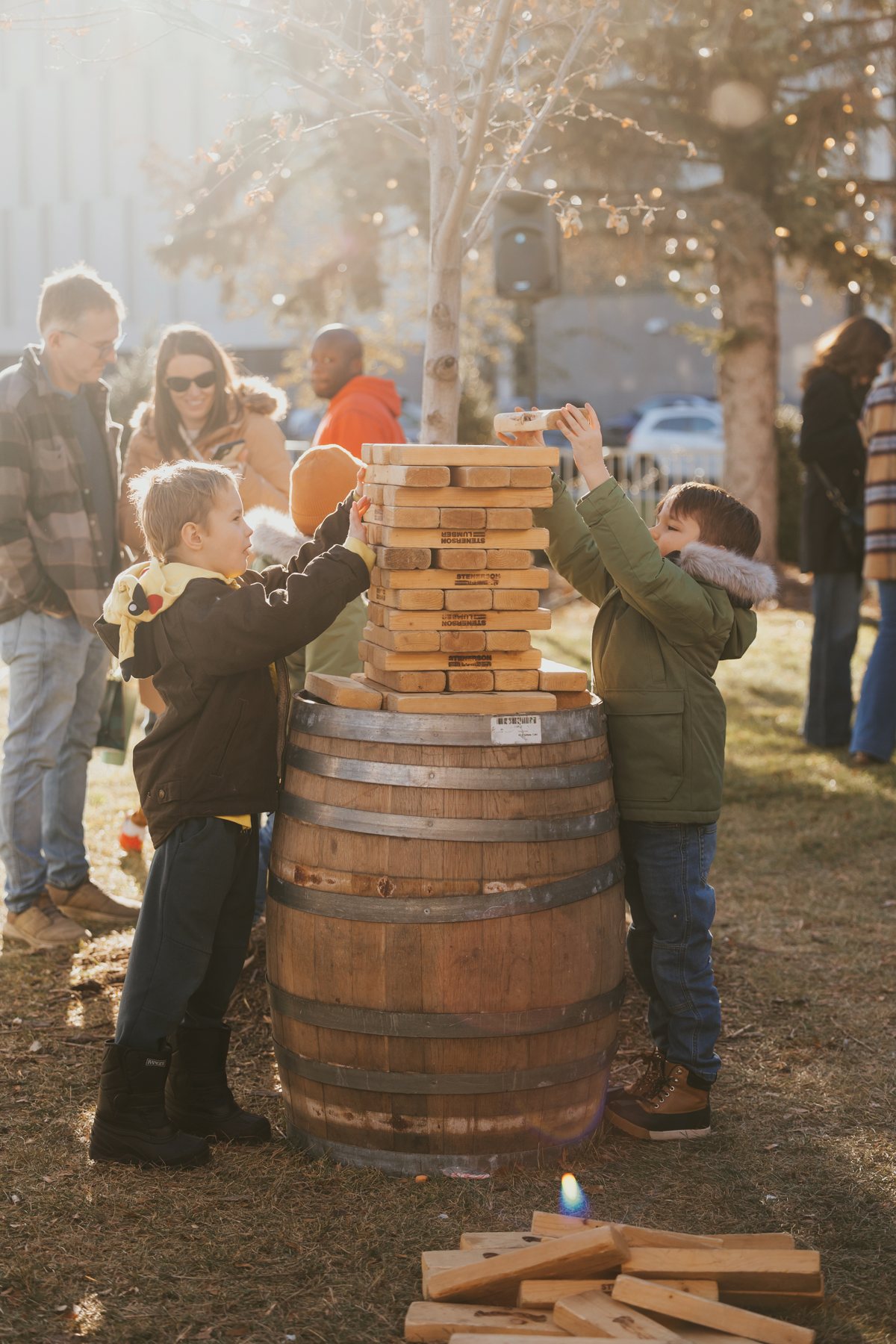
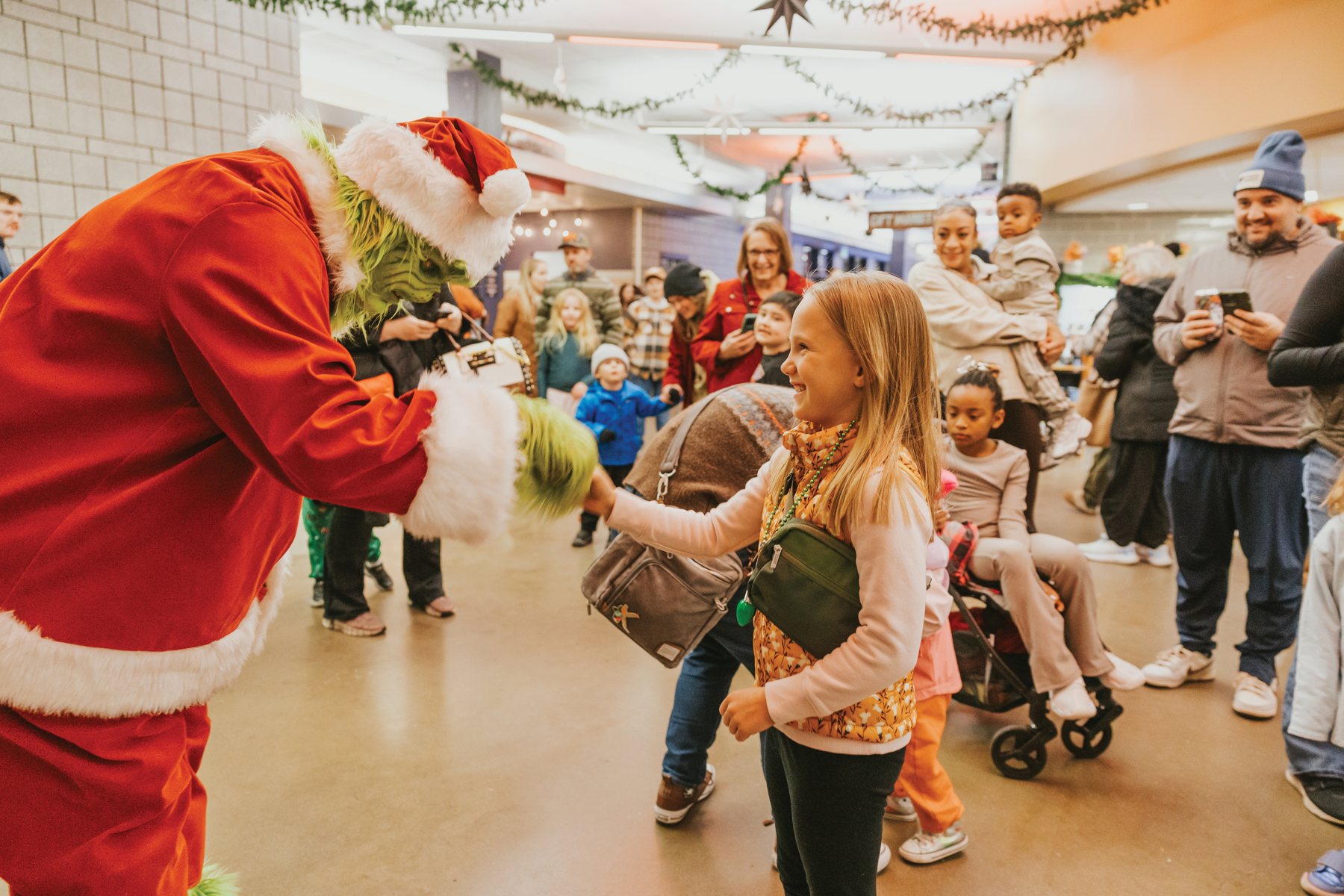
At Folkways events, adults create the setting, but children get to decide what happens inside it. At the Red River Market, a child might watch a cooking demonstration and see another child bravely try a new sample, or build castles and obstacle courses with kids they just met using the Blue Blocks. At Night Bazaars, they can make art beside someone new, dance to live music, or get excited about dressing up in costumes all summer long, not just on Halloween. At Christkindlmarkt, they might watch a folk artist work, make a s’more around the fire, or keep an eye out for their favorite holiday character wandering through the market.
Christkindlmarkt
November 20–22 & 27–29
Fargo Civic Center
$10 for adults, which includes admission to all six days
Children 17 and under are free
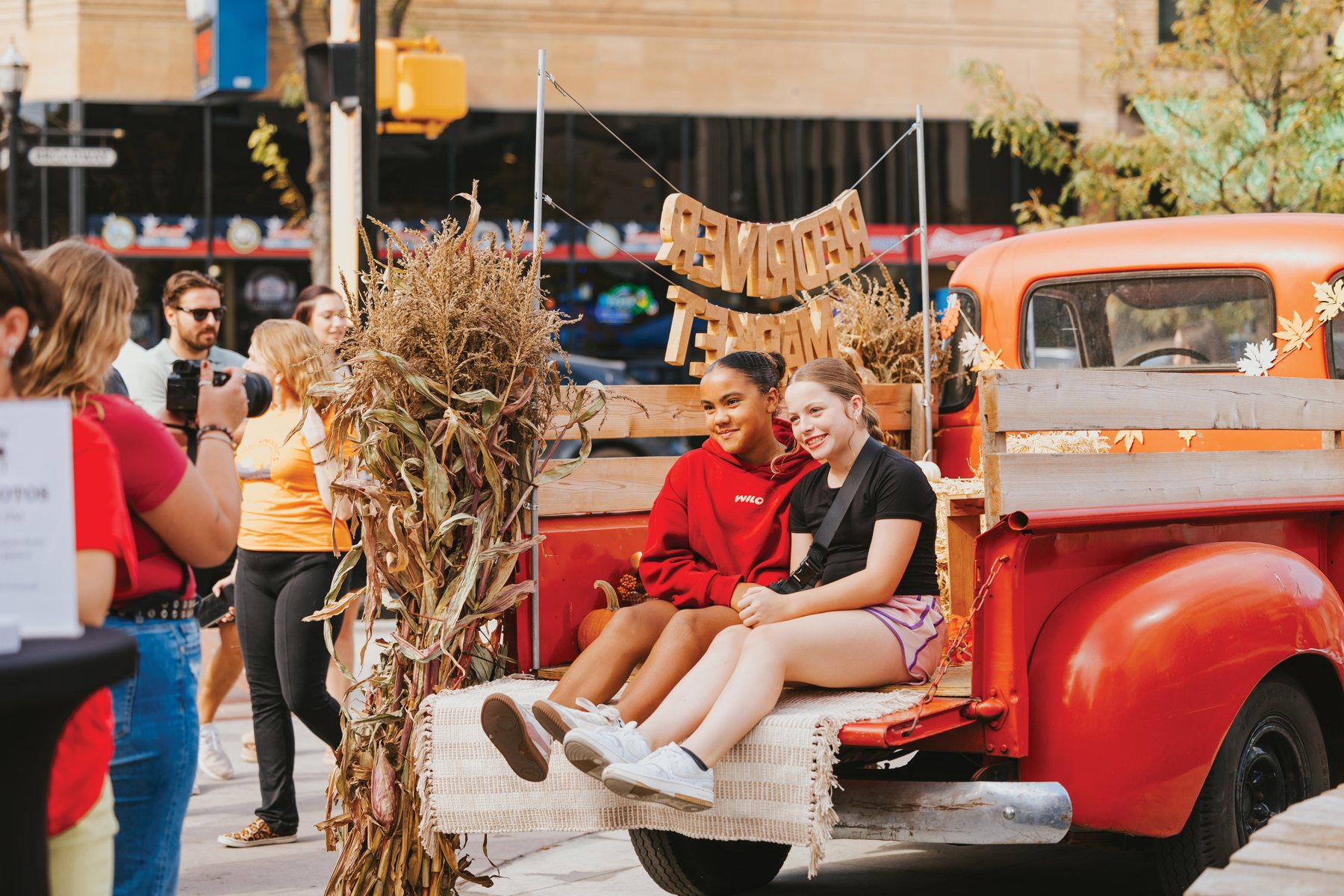
These moments can create opportunities for children to connect with peers outside the usual circles of school, sports, or organized activities. A child might recognize a classmate at the market, meet someone from another neighborhood, or see the same family at several events throughout the summer. The relationships don’t have to become close friendships to matter. Familiar faces help a place feel familiar, and that sense of recognition can be meaningful for children and adults alike.
Red River Market
Saturdays, 10 am–2 pm
July–October
Broadway Square
Free
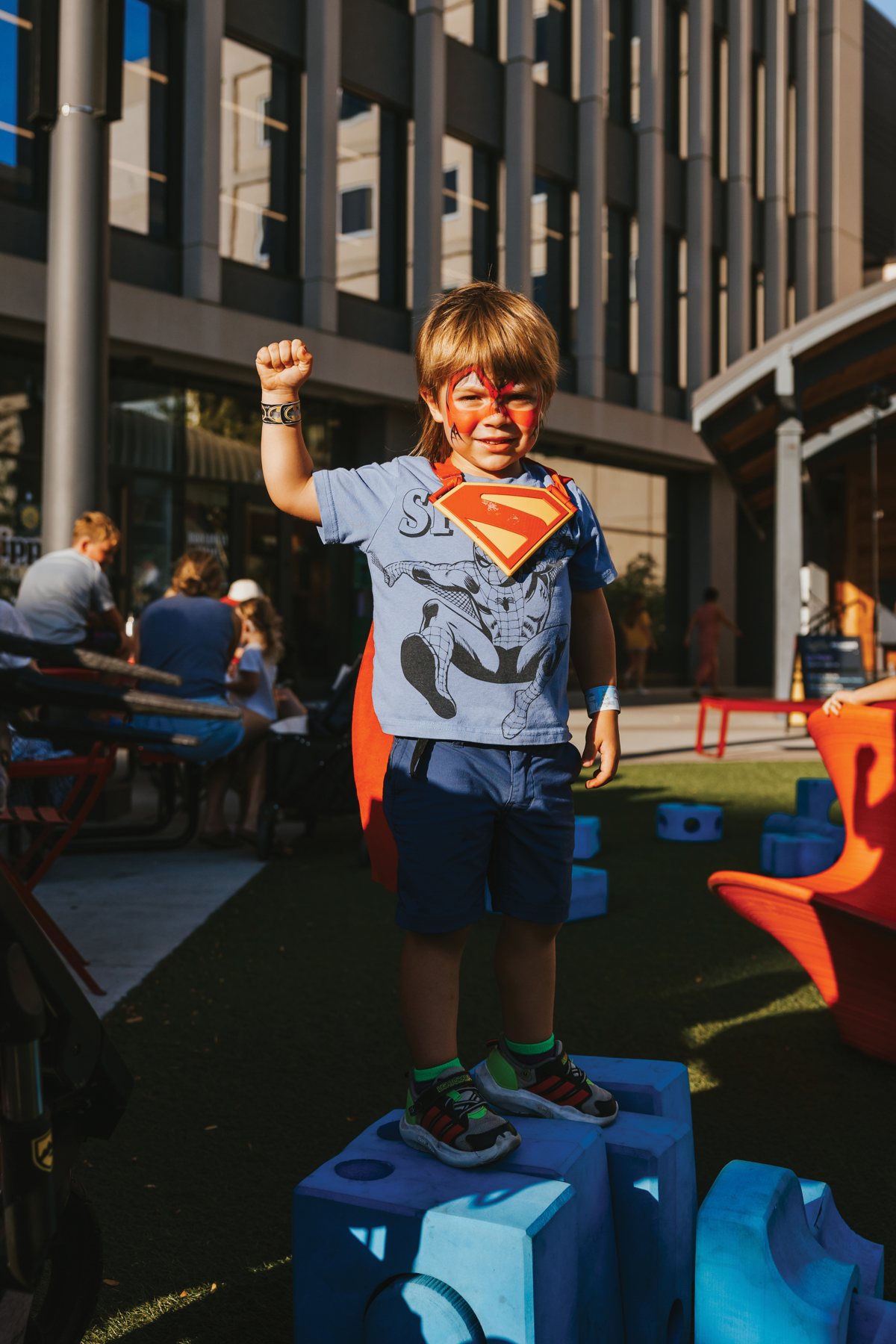
There is also something valuable about children playing alongside people who aren’t exactly their age. An older child might show a younger child how to do something without realizing they are teaching. A younger child might imitate someone they look up to. Two children might disagree about the rules of a game and have to work it out themselves. These small interactions give children room to practice social skills in real time, rather than simply being told how to cooperate or be kind.
Children’s social lives can also become increasingly scheduled. School, sports, lessons, camps, and arranged playdates all have their place, but community spaces offer something different: a chance to show up without needing to know exactly who will be there or what will happen. When families return to the same place regularly, those outings can become community rituals.
I once talked with a mom who regularly brings her son and younger brother to the Red River Market. She told me she loved having a built-in weekend plan that didn’t require adding something to the calendar or spending money. As they kept coming back, she started running into people she knew, and her son began recognizing other kids who regularly came to the market, too. What started as a weekly outing became a familiar place where their social circles could naturally grow.
Of course, being able to attend community events isn’t equally accessible to every family, but providing free events can help remove some of those barriers. Folkways hosts more than 30 free events throughout the community each year. At the Red River Market, Folkways partners with MATBUS to provide free rides to and from the market, with ride coupons available through the Red River Market website. The SNAP Match program can also match up to $15 per person per market, giving SNAP shoppers up to $30 to spend on eligible food and helping families access locally grown produce. Both the Night Bazaar and Red River Market also offer free music, performances, art, cultural experiences, and opportunities for play without requiring a ticket.
Community spaces can also make ordinary family routines feel a little more meaningful. A trip to the farmers market can become a chance to talk about where food comes from, meet the person who grew the carrots coming home for dinner, or watch a cooking demonstration together. A yearly trip to Christkindlmarkt can become a tradition of making s’mores by the fire, picking up a favorite holiday treat, or trying to catch a photo with a favorite Christmas character. The activity itself doesn’t have to be extraordinary for the tradition to become meaningful.
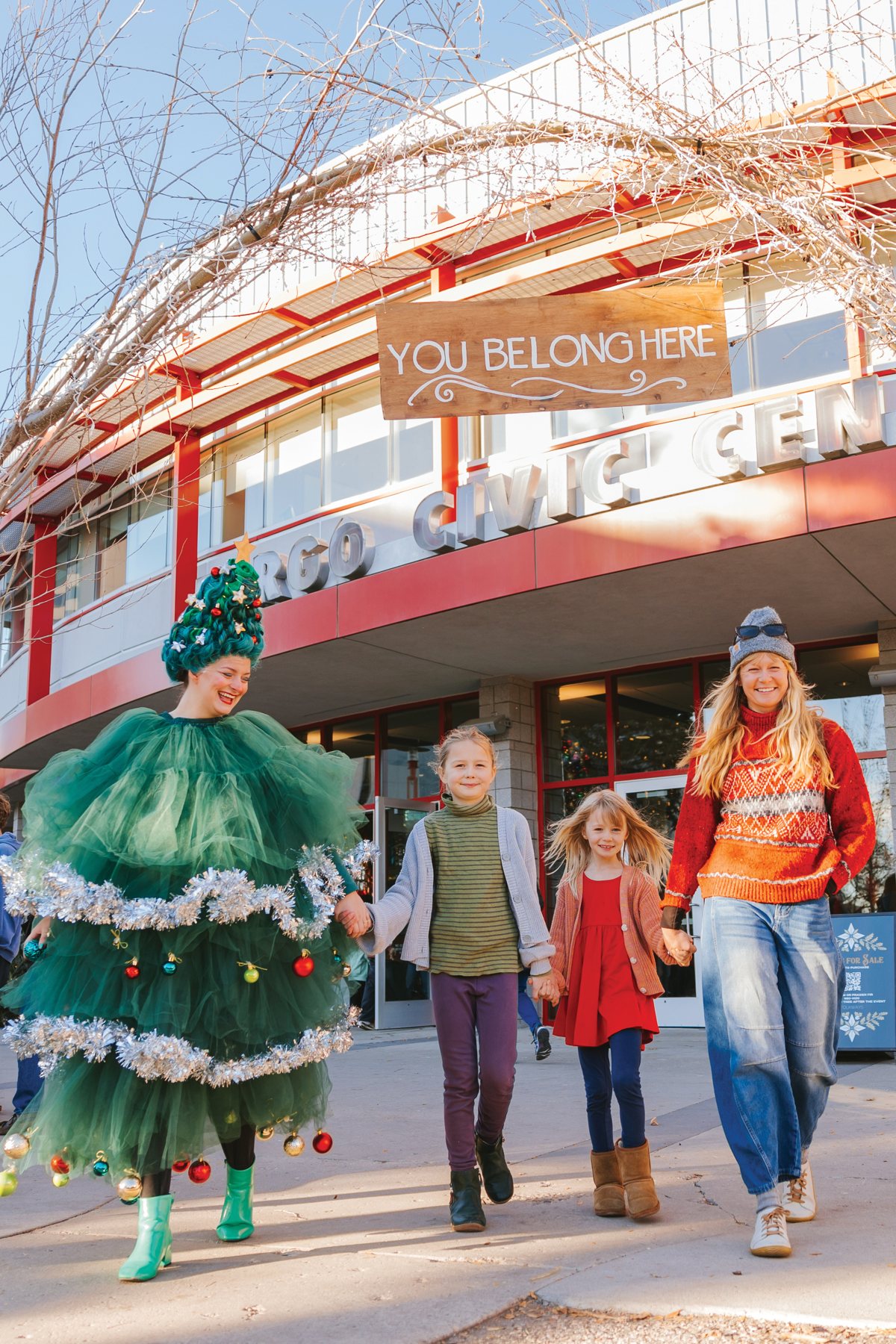
One of my favorite moments at a Night Bazaar this year happened when a little girl asked if I wanted to dance with her. I was working the event, so there were plenty of things I could have been doing, but I took a few minutes to dance with her. I was dressed as a fairy, so maybe years from now she will remember a summer night when she danced with a fairy at a street festival. Maybe she won’t. That isn’t really something I can control.
What I can do is help create spaces where moments like that are possible alongside my team.
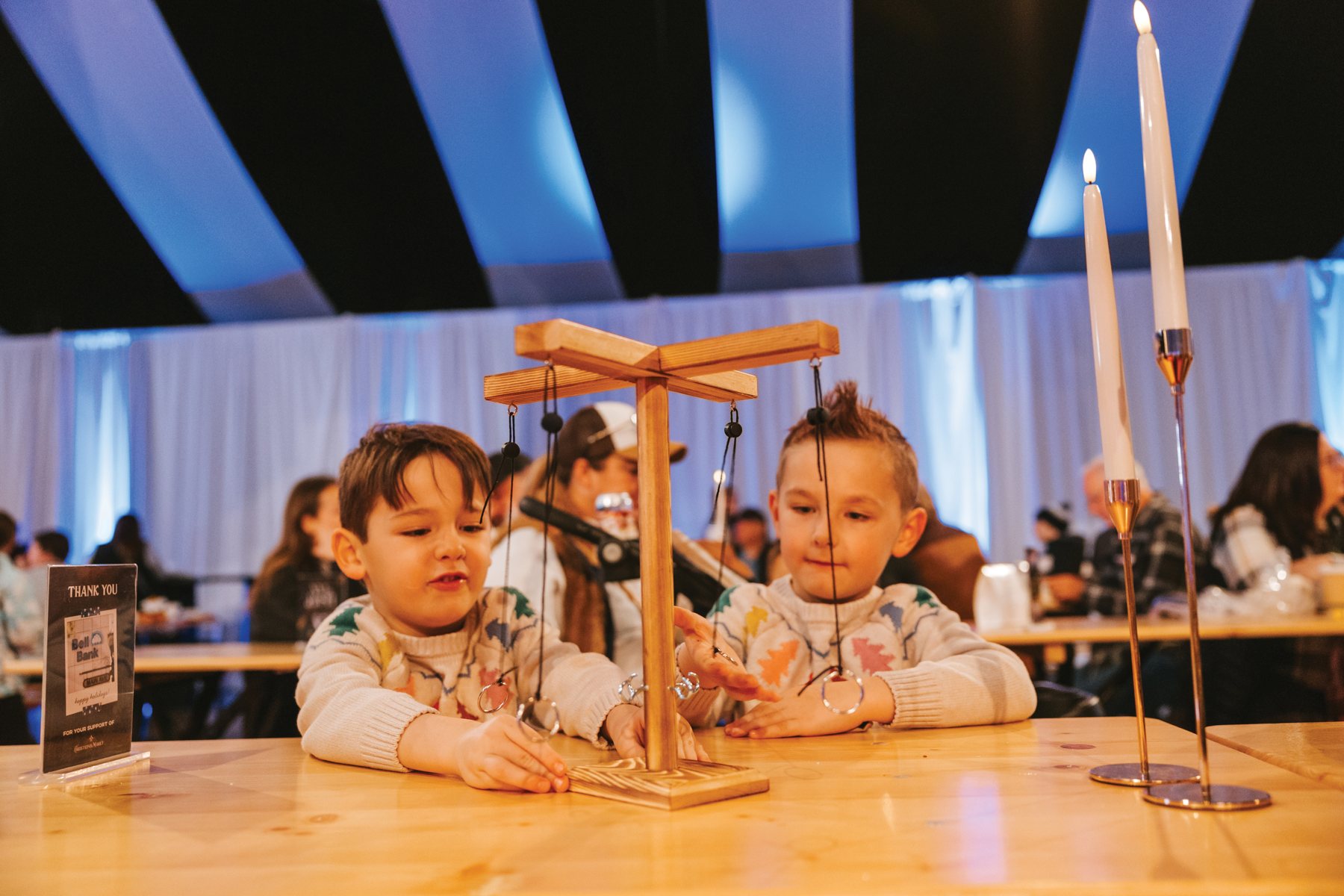
Folkways creates opportunities for children to play together, meet people outside their usual circles, invent their own games, and experience the small surprises that make a community feel alive. Moments that bring people together through shared experiences can build a sense of belonging, not just for the little ones in our community, but for people of all ages.
Learn more at folkways.org and redriver.market.
Photos provided by Folkways.
Good to know before you go
Christkindlmarkt: November 20–22 and 27–29 at the Fargo Civic Center, 207 4th Street North. Get directions or see the full schedule.
Red River Market: Saturdays, 10 am–2 pm, July through October at Broadway Square. Free to attend. Get directions or see the market schedule.
More free events: browse everything on the Folkways events calendar.
Follow Folkways on Facebook and Instagram for event updates.
Published October 20, 2026
