How Do You Make Your Home Energy Efficient?
How does insulation directly affect a home’s energy use and utility bills? 1. Reduces Heat Transfer In winter: Keeps heat inside instead of letting it escape through walls, attics, and floors. In summer: Blocks outdoor heat from entering, so the home stays cooler. Heating often accounts for 40–60% of a home’s energy use in cold


How does insulation directly affect a home’s energy use and utility bills?
1. Reduces Heat Transfer
- In winter: Keeps heat inside instead of letting it escape through walls, attics, and floors.
- In summer: Blocks outdoor heat from entering, so the home stays cooler.
- Heating often accounts for 40–60% of a home’s energy use in cold climates. Insulation sharply cuts this load.
- Depending on climate and existing insulation levels, homeowners can save 15–40% on heating and cooling bills after upgrading insulation.
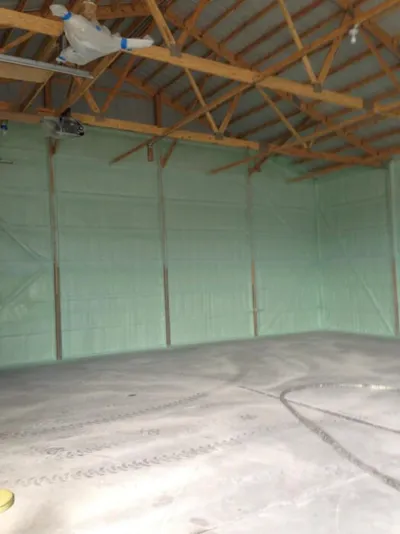
2. Lowers HVAC Demand
- With less heat gain/loss, your furnace, AC, or heat pump doesn’t have to run as often..
- This lowers electricity and fuel consumption while also extending the lifespan of equipment
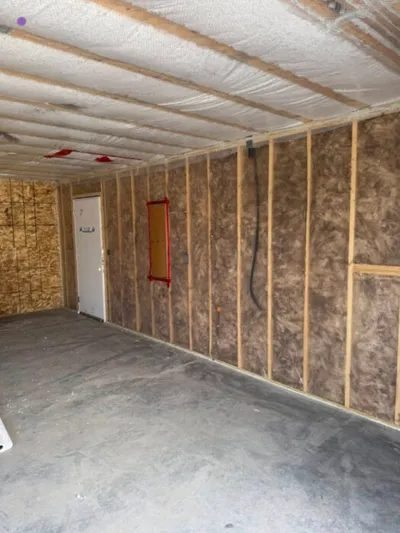
3. Improves Efficiency Of Other Systems
- Even the best windows, doors, or HVAC units lose effectiveness in a poorly insulated home.
- Insulation acts as the “foundation” for true efficiency — without it, energy-saving upgrades deliver smaller returns.
What areas of the home should be prioritized first for insulation upgrades?
Attic / Roof
Heat rises, and in an under-insulated attic, it escapes quickly in winter or radiates down in summer.
Benefits:
- Largest single energy savings potential (often 25–30% of heating/cooling loss).
- Prevents ice dams in snowy climates.
- Makes upstairs rooms more comfortable.
Exterior Walls
Walls make up the largest surface area of the home’s “thermal envelope.” Gaps in wall insulation lead to drafts, uneven room temperatures, and high HVAC demand.
Benefits:
- Stabilizes temperatures across rooms.
- Reduces noise from outdoors.
- Cuts down on drafts and allergens.
Basement / Crawl Space
These areas let in cold, damp air and allow heat to escape through uninsulated floors. Moisture here often spreads mold or mildew into living areas.
Benefits:
- Warmer floors in winter.
- Less risk of mold growth.
- Keeps pests and moisture under control.
How do you know if your home is under-insulated or losing energy?
- Uneven Temperatures Between Rooms
- Drafts Near Windows, Doors, or Floors
- High Heating & Cooling Bills
- Cold Walls, Ceilings, or Floors
- Ice Dams on the Roof
- HVAC Running Constantly
- Uneven Snow Melt on the Roof 8. Moisture, Mold, or Musty Smells
What’s the long-term cost-benefit of investing in better insulation?
- Proper insulation reduces heating & cooling demand by 15–40% depending on the home’s age and climate.
- In a typical Midwest/U.S. home, that can mean $500–$1,000+ in annual savings.
- Insulation upgrades often pay back in 3–7 years through reduced utility bills.

4seasonscompanies.Com
Facebook | search “4 Seasons Insulation”
Published December 3, 2025
