Josh Duhamel on Staying in the Game
It probably looks like Josh Duhamel has it all.


Meet Fargo AIBETAAI-generated
AI-assisted summary reviewed by a Fargo Monthly editor before publishing. Send corrections to editor@fargomonthly.com.
Quick summary
Josh Duhamel says his own experience with testosterone replacement therapy led him to launch GATLAN, a concierge health platform focused on personalized care, hormone optimization and helping people get proactive about feeling better as they age.
- Duhamel says he started using TRT five years ago
- GATLAN offers one-on-one concierge care with licensed providers
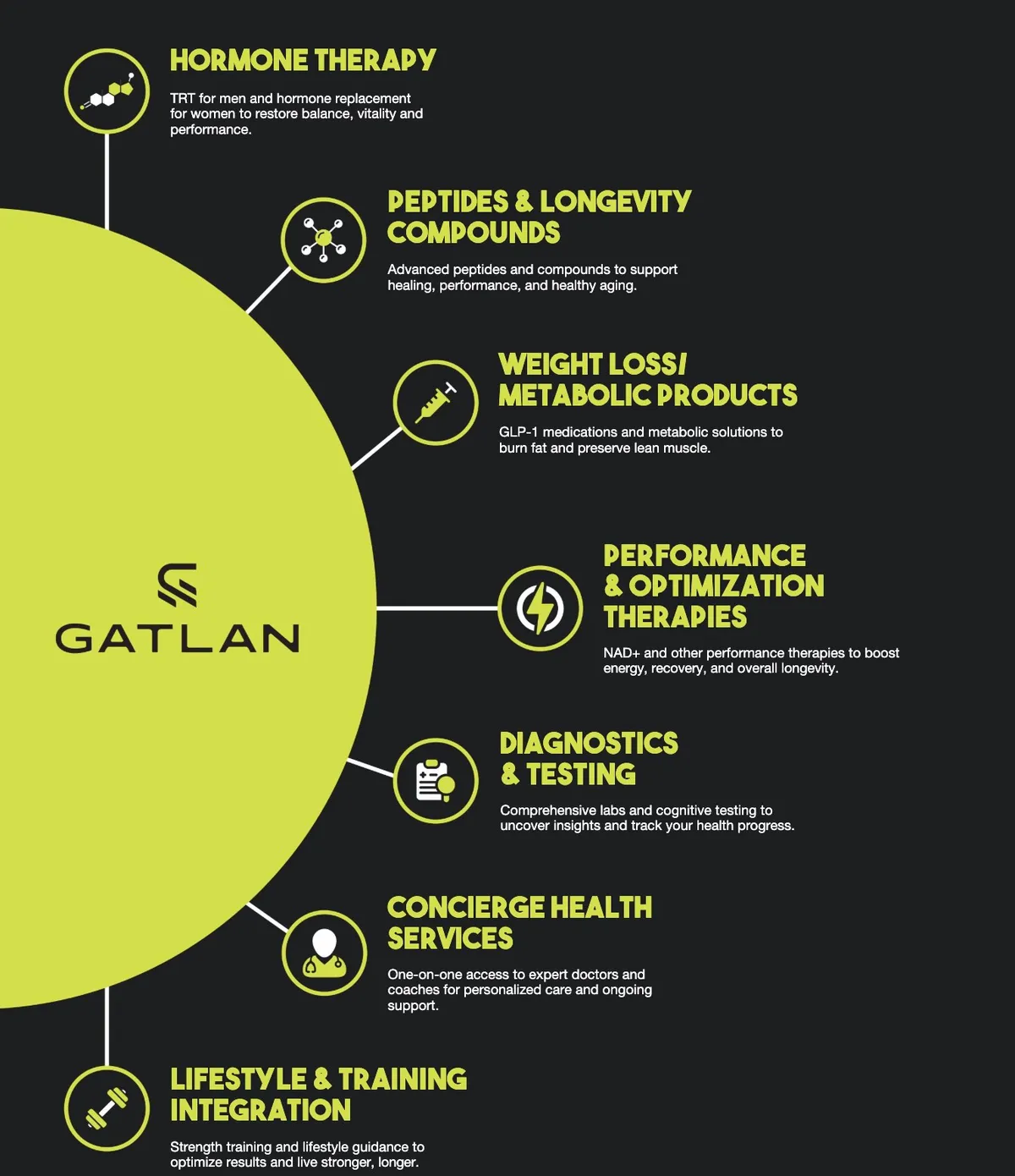
- Programs can include hormone optimization, GLP-1s and peptides
- GATLAN also works with Thundrbro on strength-training support
Did you know
- Josh Duhamel said he began testosterone replacement therapy five years ago after finding his levels were belowJosh Duhamel, quoted in article
- GATLAN uses a concierge model that gives patients one-on-one guidance on what they are taking, why they are taJosh Duhamel, quoted in article
- GATLAN also works with Thundrbro to provide strength-training support, including routines tailored to each perJosh Duhamel, quoted in article
Photos by J. Alan Paul Photography
From TRT to Total Optimization: The Gatlan Approach to Health
To most people, it probably looks like Josh Duhamel has it all.
A long Hollywood career. A steady stream of roles. A life that, from the outside, feels dialed in.
But a few years ago, he started to notice something didn’t feel quite right. He felt a little less energy, a little less drive, a little less of the edge he’d always had. And like a lot of people, he brushed it off at first.
“I didn’t even really realize it was happening,” he said.
It wasn’t until he started digging into his health by reading, asking questions, and trying to better understand what was actually going on. He realized he could benefit from testosterone replacement therapy.
After years of using it, he realized the benefits were enough to build a company around it.
That company became GATLAN, a concierge-style health platform designed to help people take a more proactive, personalized approach to their health. Instead of one-size-fits-all solutions, GATLAN connects patients with medical professionals who guide them through everything from hormone optimization and medical weight loss to recovery-focused treatments like peptides—an emerging category aimed at supporting things like joint health, muscle recovery, and overall performance.
The company is meant to help people understand what’s actually happening in their bodies, what their options are, and how to build a plan that works long-term to help them feel better and look better.
Because for a lot of people, the issue isn’t a major health event, it’s that slow, gradual feeling that something’s just a little off. GATLAN is built for that.
And for those looking to better understand what that can look like, and where it starts, we sat down with Duhamel to talk about the company, his own experience, and why more people are starting to pay attention to their health in a different way.
The Start of GATLAN
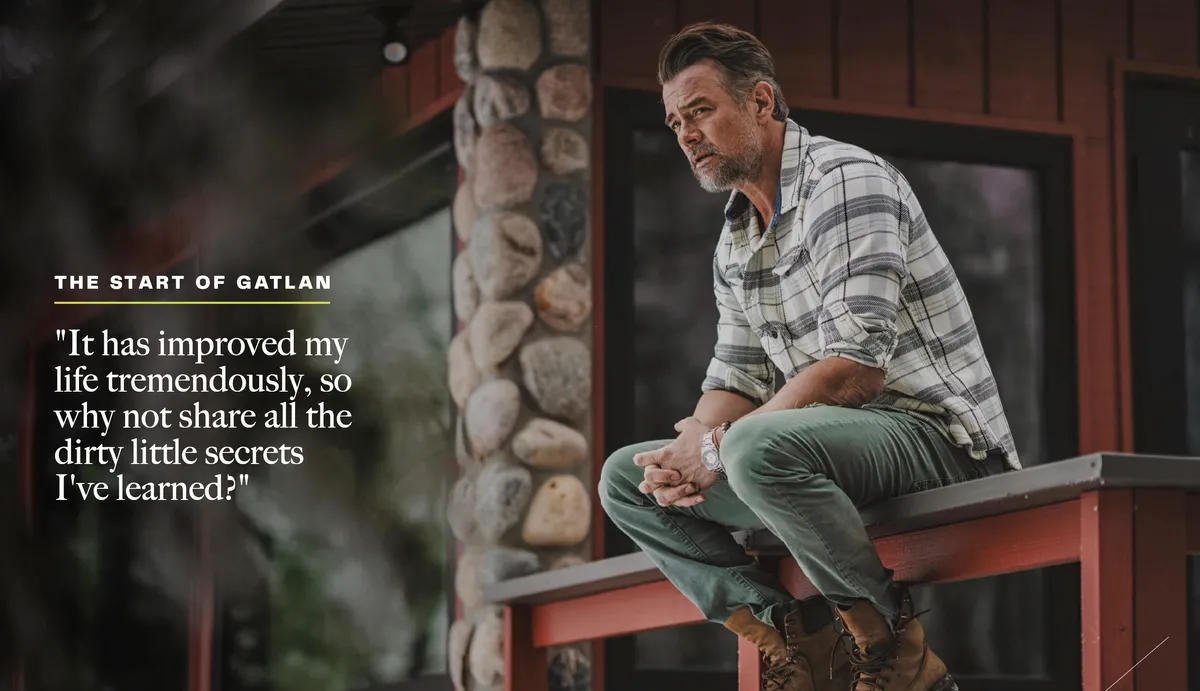
Q: Why does Gatlin exist?
A: Really good question. GATLAN exists because I had a real curiosity and fascination—especially as I got into my 40s and now my 50s—about how I can stay active and athletic, and look and feel as good as I can for as long as I can. I was constantly reading and learning about this stuff.
A couple of years ago, my friend Fabian came to me about this TRT company, and I said, “No way. I can’t be the face of that. I can’t tell people I’m using it— that’s my dirty little secret.” But then I thought more about it and said, “Why shouldn’t I be the guy?” It has improved my life tremendously, so why not share all the dirty little secrets I’ve learned? That’s really why the company came to be. I’ve learned so much over the years, and I want to share it and help as many people as I can. Plus, I wanted to remove barriers for people. I even had a hard time in my own journey trying to find a doctor to work with me for testosterone replacement since so many aren’t well versed in it.
Q: When did you start using TRT?
A: Five years ago. That was kind of the beginning of it. I was like, “Okay,
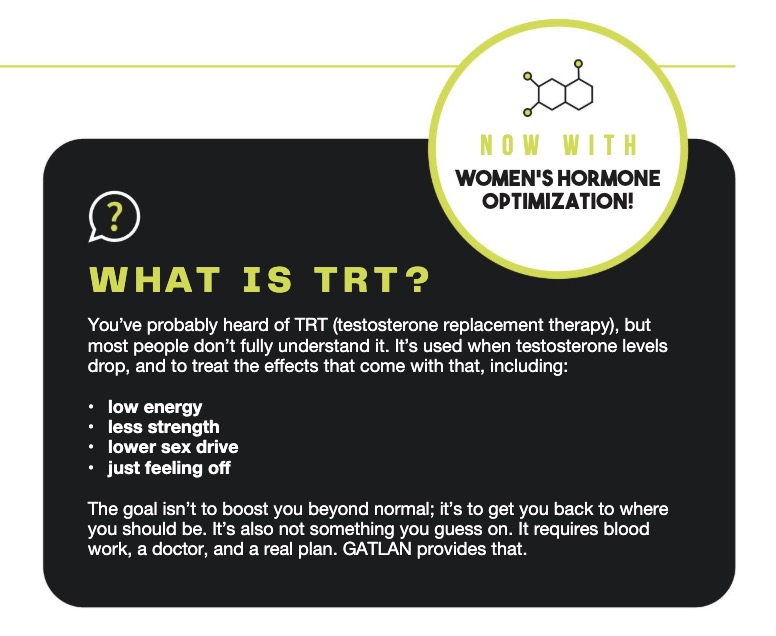
I’m going to try this,” because I’d heard about it from certain people. There wasn’t a lot of information out there, so I learned about levels and what you’re supposed to be at. I was below where I was supposed to be, so I did it. I started feeling stronger—got my edge back, got my mojo back. I was able to keep muscle on. Libido—all those things. It gives you back that “oomph” a lot of guys start to lose as they get older.
Q: Do you remember how long it took to start feeling some of those effects?
A: You start to feel it after the first few weeks, and you really feel it once you go off it. It’s not like suddenly you’re Superman; it’s a slow progression. You just start thinking, “Whoa, I feel like doing that thing I’ve been putting off. I feel like getting back into the gym.” You have more energy to do things you were procrastinating.
And when you go off it, you realize what low testosterone feels like. It’s like the boiling frog metaphor; the frog doesn’t know it’s boiling until it’s too late. Men often don’t realize they’ve lost their edge until it’s kind of too late. So we’re trying to educate men and women to get their levels checked and find out where they’re at.
What GATLAN Does & How it Works
Q: Can you tell me more about the service that Gatlan provides?
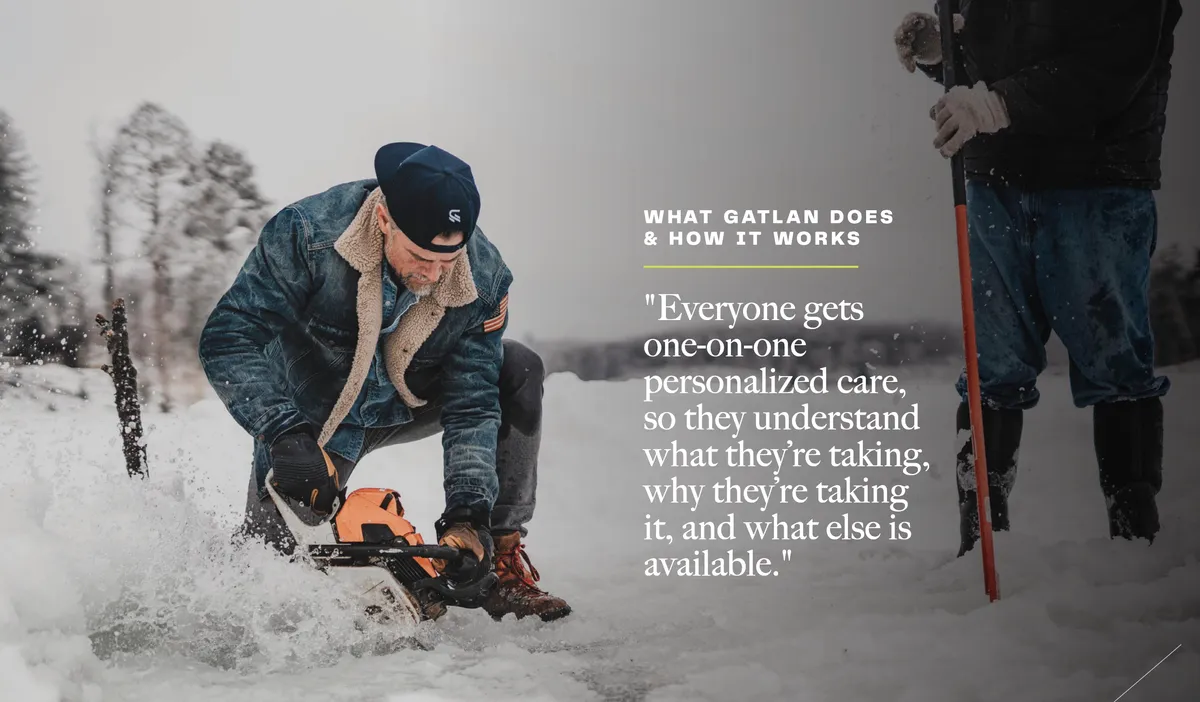
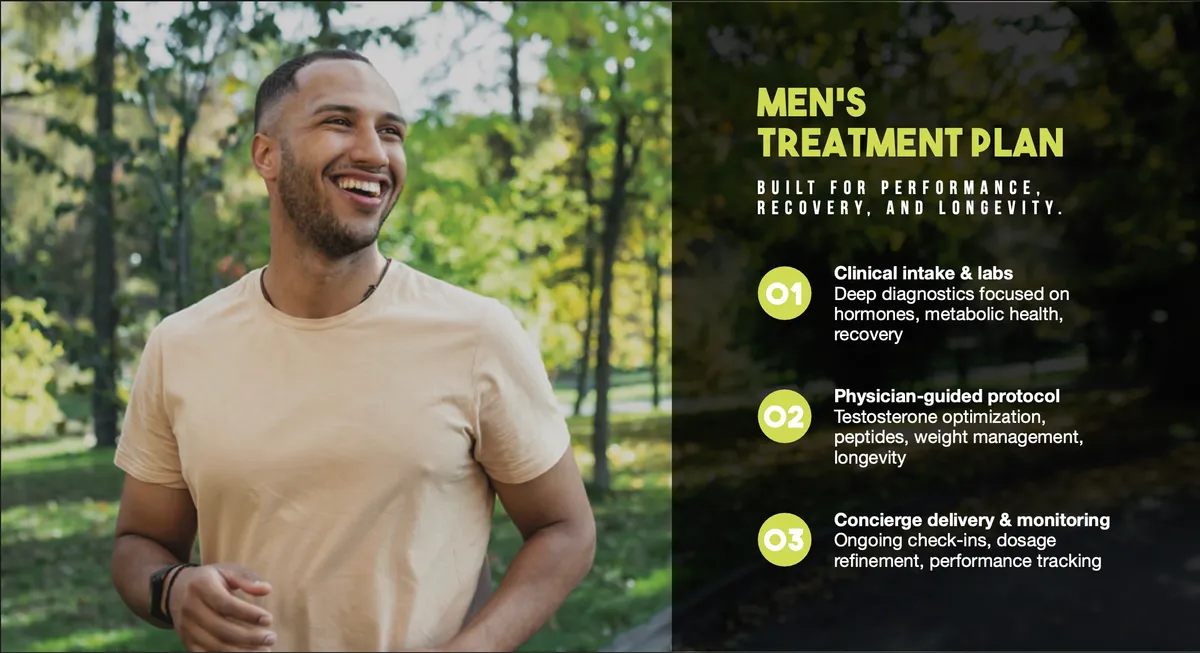
A: Our differentiator is our concierge model. The concierge service is a white-glove service. Everyone gets one-on-one personalized care, so they understand what they’re taking, why they’re taking it, and what else is available. We’ve found that it’s good for the patient and good for us. People might come in thinking they only want GLP-1s, and then we can guide them toward what else might help.
Q: If you were telling someone about the level of doctors working with you, what would you say?
A: They’re world class licensed medical longevity experts, who are able to prescribe. Some are medical doctors, some are licensed practitioners, but they’re all highly educated and experts in longevity and in a lot of the latest and greatest stuff that is coming out, and there are amazing things on the horizon.
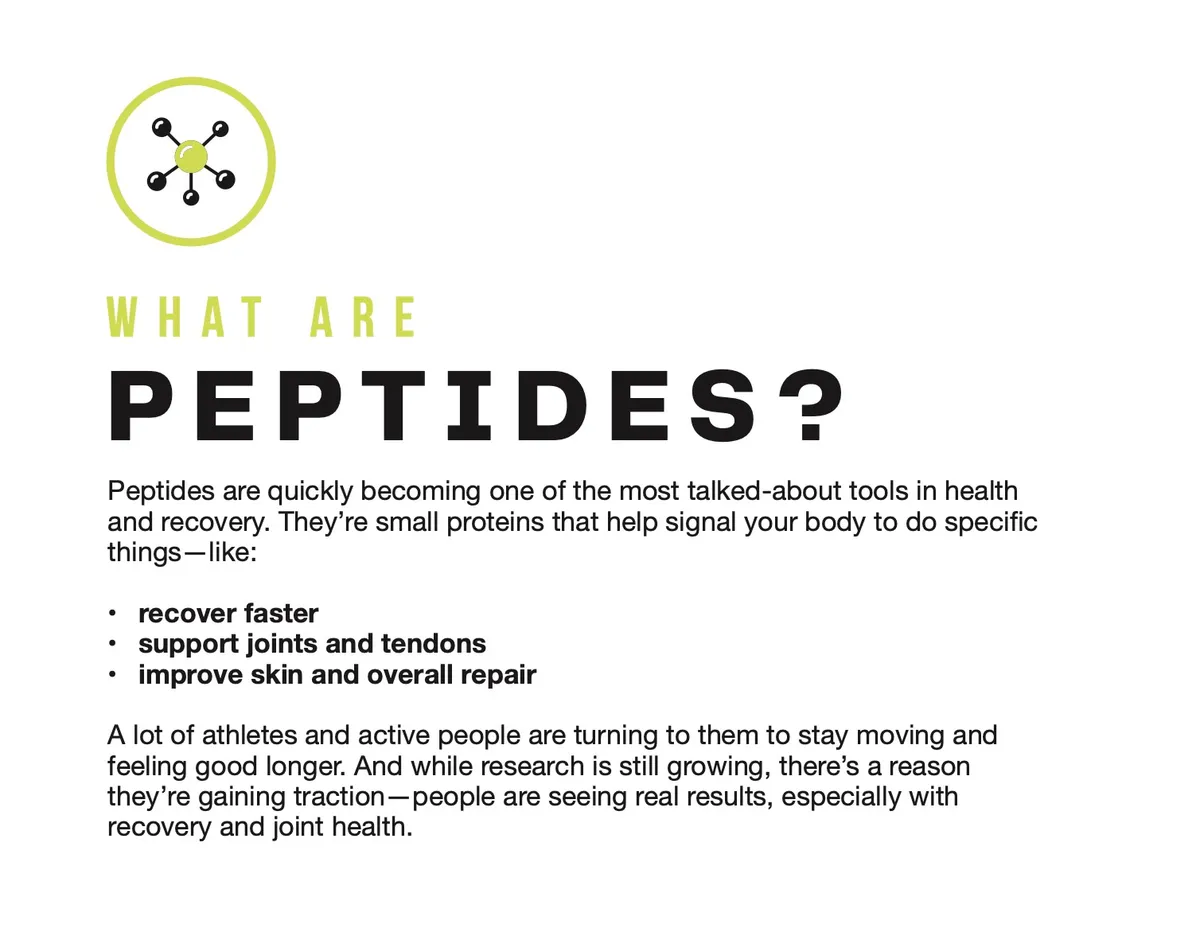
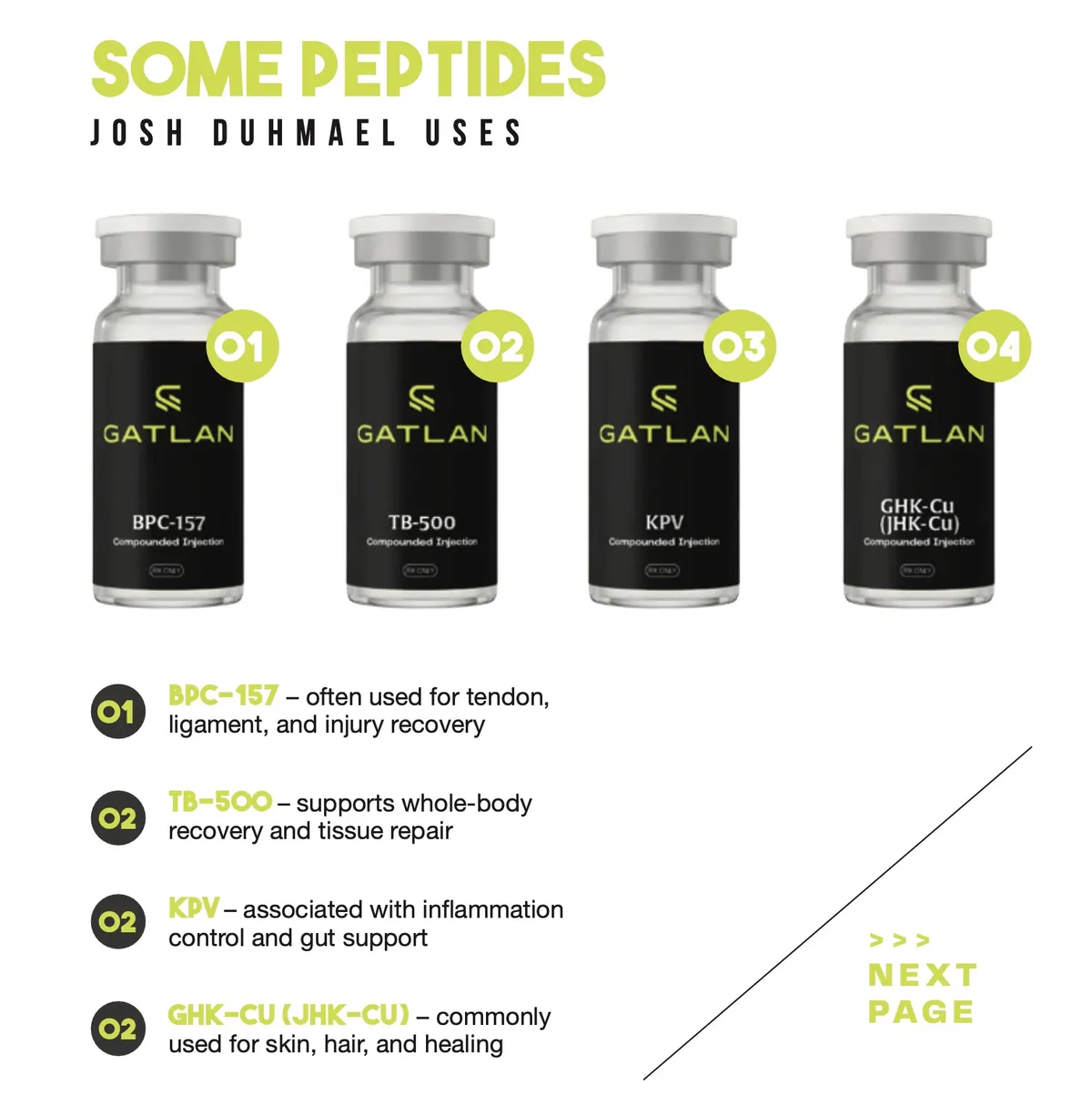
Can you tell me about how you’ve selected which peptides to carry, etc.?
A: That’s not really my area—I’m learning, but I can’t speak for our team on the specifics, because I don’t want to be the guy pretending I’m the expert in that. That’s what our whole team is for. I’m just as curious as anybody else. I’ve learned a lot, and I can share some of that, but I can’t tell someone, “You need this peptide versus that one.” The doctors can.
So if somebody comes in for a GLP-1 because they want to lose weight, one of my biggest pet peeves is that people lose weight and start to look frail. They lose a bunch of muscle mass. What we want to do is guide them to optimize. Yes, lose the weight, but stay strong and keep muscle. Lose fat and keep strength and muscle.
Can you tell me about the strength training component of working with Gatlan?
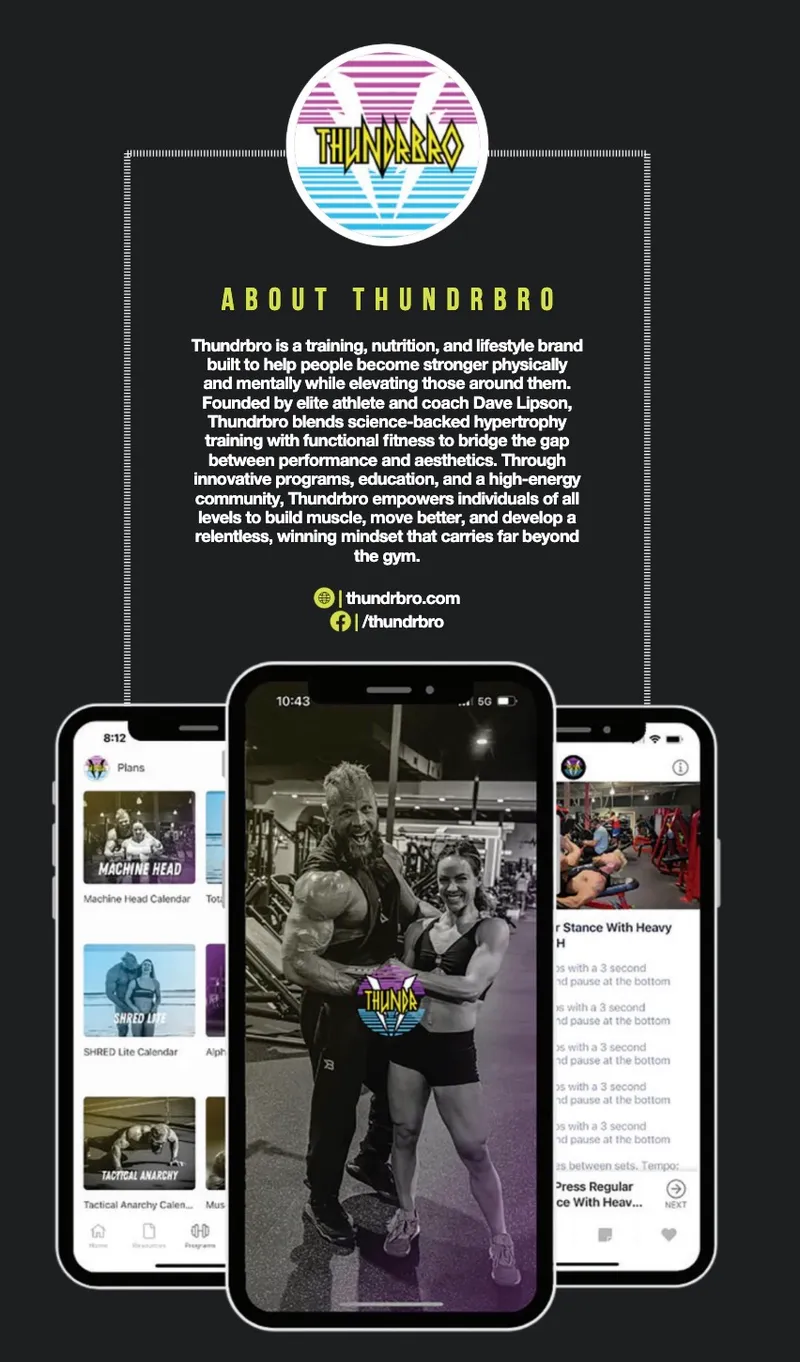
A: We work with a company called Thundrbro. I met this guy on Ransom Canyon and he showed me their work. What they’re doing is amazing. They’re like doctor-level, but they’re also trainers. They help with strength training and everything else. They’ll recommend routines based on what people are trying to do, and they’ll be available as part of programs with us.
Health Mindset, Lifestyle, & Personal Life
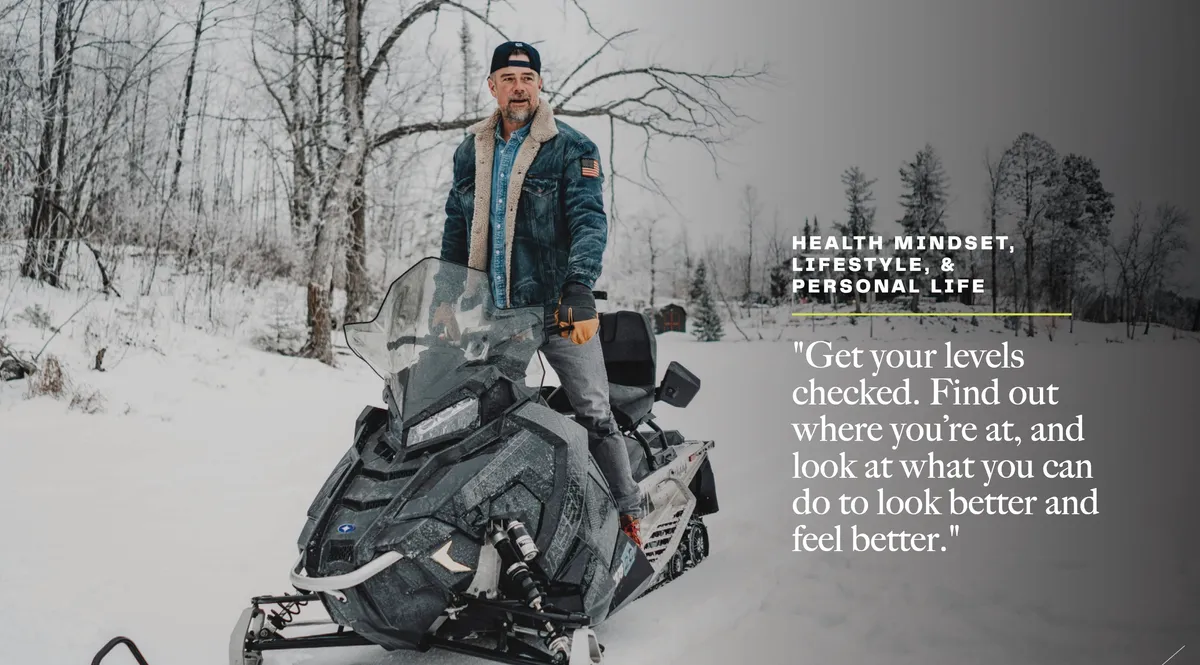
Q: I feel like part of your message is getting men to be proactive about getting checked. Why do you think men are waiting?
A: Guys don’t like to admit they’re falling short. We don’t like to admit our feelings. We perceive that as weakness. Women are much more apt to say, “I want to do whatever I can to be the best version of me,” health-wise or otherwise. Men tend to brush it under the rug, not think about it, or not admit they’ve lost their mojo or their edge.
We’re trying to shine light on it and say, “Hey, it’s okay. We all do it. I do.” I’m trying to hang on and stay in the game, and I want to take whatever steps I can to do that in a healthy way.
Q: What kind of activities do your kids like to do?
A: Axl is into basketball and soccer. He still likes to wrestle around with me, so the fact that I can get out there and play one-on-one is big, and I’m not going to let him beat me yet. I’ll be 65 before he can beat me, that’s my plan. My two- year-old Shepherd just wants me to chase him and get on the floor. Two-year-olds are nonstop.
Q: What does your health routine look like these days?
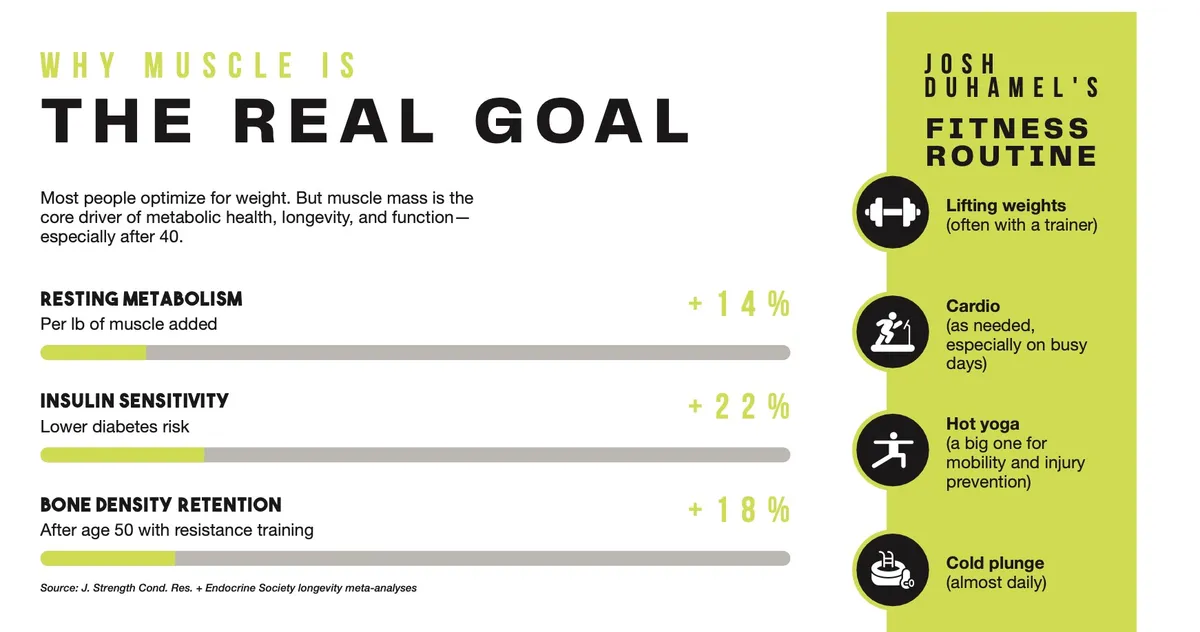
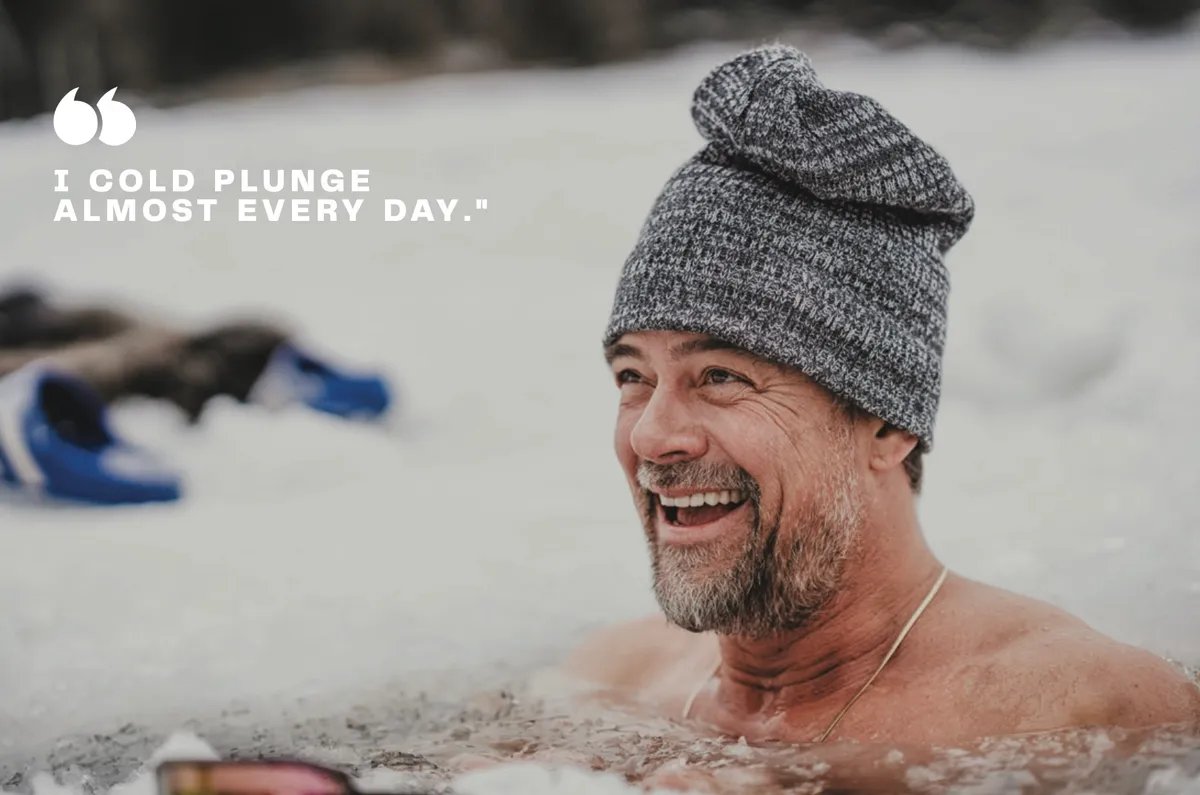
A: I do a lot of weird stuff. I cold plunge almost every day. Hot yoga has been huge for me. I had knee and back issues in my early 30s, and I don’t have those anymore because of the program I’m on and the things I started doing. I also do cardio and weights. I drink a green smoothie every day. I take a full list of vitamins based off labs and what doctors recommend.
The biggest thing is that I try to do something every day.
Q: Has physical health always been important to you, or is this something you’ve had to prioritize more as you’ve gotten older?
A: It’s always been something I’ve been conscious of. My mother was very conscious of it growing up. She’d order egg-white omelets in the mid-80s, and my sister and I were embarrassed because nobody did that. She made us aware of nutrition early. And I exercised through sports growing up. I was very competitive. It’s always been part of my life.
Q: Do you think it can be harder to keep up with your health in the winter in North Dakota?
A: I struggle like everybody else. In North Dakota, or anywhere cold, it’s harder to get motivated. It’s more of a slog. You can’t just go for a short run outside. You’ve got to get in your car and drive to the gym.
You’ve got to be more proactive, which is harder than living somewhere warm where you want to be outside.
Q: What do you love about Fargo?
A: I couldn’t wait to get out of North Dakota when I was 22. But after leaving, I realized how much I love it here. I love the people, their values, how family-oriented it is, how people take care of each other. I think North Dakota has some of the best people I’ve ever met.
Q: If you could encourage every person in North Dakota—men and women—to do one thing for their health this year, what would you tell them?
A: Get your levels checked. Find out where you’re at, and look at what you can do to look better and feel better. The science is there. Why not at least check it out?
Follow Josh Duhamel
Follow GATLAN
Published May 21, 2026
