The Front Desk To Minnesota's Wild Places
Minneapolis outdoor guide Joe Jackson built Minnesota Camp Guide to help Fargo-area readers discover the state's public-land camping possibilities, from beginner-friendly state parks to the Boundary Waters.


Joe Jackson likes to think of Minnesota Camp Guide as a kind of front desk.
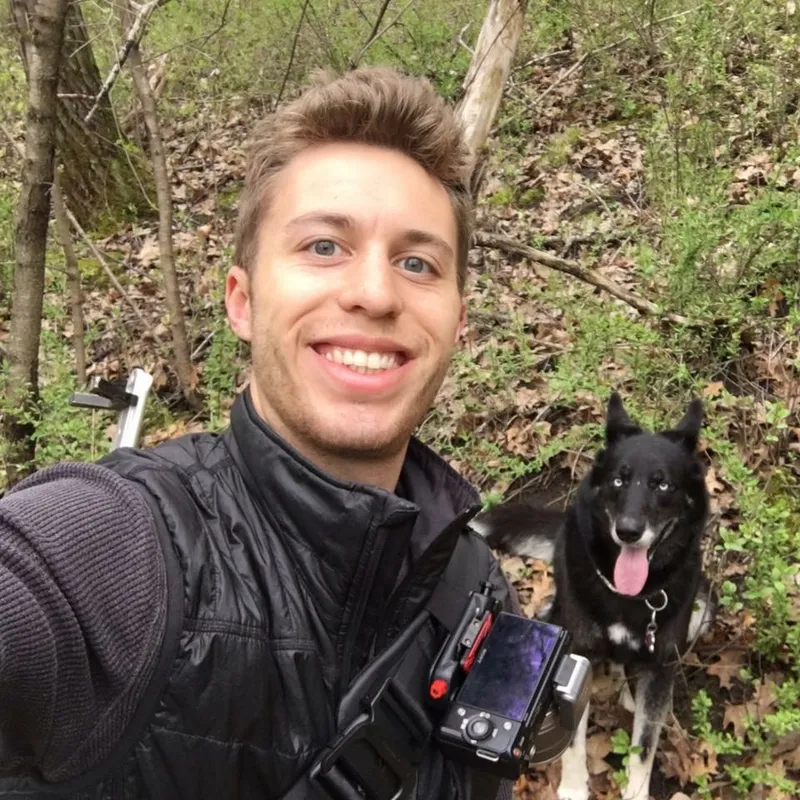
It's a place to ask, Where can I camp in Minnesota? What kind of camping is even possible? And how do I find the places I don't already know to search for?
For readers in Fargo, Detroit Lakes and the surrounding lakes country, that question matters. Not everyone has a family cabin. Not everyone has a boat lift, a private dock or a standing invitation to spend the weekend on someone else's shoreline. But just across the border—and then deeper into Minnesota's forests, rivers and public lands—there are thousands of places where a person can sleep outside, wake up near water, sit by a fire, paddle into a quiet campsite or simply learn how to be more comfortable outdoors.
Jackson built Minnesota Camp Guide, found at minnesotacampguide.com, to make that world easier to understand.
The site organizes Minnesota camping into what he calls the “23 Ways to Camp,” a framework that sorts public-land camping by both how you get there—car, backpack, bike or paddle—and who manages the land. State parks, state forests, national forests, wilderness areas, national scenic rivers and water trails all become part of one larger map. The result is part guidebook, part map room and part invitation.
“This project uses two major variables to better organize all of our public land camping opportunities,” the site says. In plain English, it helps campers move beyond one crowded lane and see the whole road system.
Jackson, who lives in Minneapolis and grew up south of Mille Lacs Lake, has spent much of his adult life helping people get outside. Professionally, he works as an outdoor guide and instructor, leading trips and teaching skills by bike, canoe, kayak and backpack. Before that, he spent years in the outdoor industry, including guiding through REI's experiences program. Today, Minnesota Camp Guide remains what he calls a “super humble personal project,” something he tends like a garden when time and curiosity allow.
The seed was planted in the early 2010s, as Jackson watched more and more people become anxious about state park campsite reservations. People around him worried that if they could not reserve a state park site, they could not camp.
Jackson saw it differently.
“I just remember being like, man, everybody, we've got state forests, we've got two national forests, we've got wilderness areas,” he said. “Not to mention, besides car camping, we've got more water to canoe or kayak into a campsite than so many other places.”
The problem was not a lack of opportunities. It was that the opportunities were scattered across agencies, maps, PDFs, office binders, and local knowledge. Each public agency was doing its own work, but the average camper did not always know where to look.
“If there was a singular map where all these different public land agencies who do great work—but it's only their responsibility to manage their own website and maps—if that stuff was just sitting in one spot, how useful that would be,” Jackson said.
So he started building it.
The website itself is built on Wix. The mapping work is more technical. Jackson uses QGIS, a professional-grade geographic information system. Much of the data came from public agencies, but some of the most interesting pieces required extra digging. In the Chippewa National Forest, for example, he found designated dispersed campsites that existed in Forest Service materials but were not always easy to find online.
That is where Minnesota Camp Guide becomes more than a compilation. It interprets the landscape. It connects dots. It gives people the confidence to try a new kind of trip.
Jackson focuses on public land. He is not trying to mix in private campground listings or monetize every search. He is interested in the lands that belong, in one way or another, to the public.
He sees the project as a way to increase participation in public lands, but also awareness. People are less likely to care about losing a place, he argues, if they never knew it was there.
Joe Jackson's Advice For New Campers
Do less for the first time. Set up your tent before the trip. Test your stove. Make sure your water filter works. The fewer surprises waiting at camp, the more relaxed you will be.
Start with support nearby. State parks like Glendalough and Maplewood are great first steps because they offer staff, facilities, trails and reservable sites.
Expect to keep learning. Packing, cooking, sleeping, paddling and choosing sites all get easier with repetition. The goal is not perfection. The goal is comfort and confidence.
Use the map to stretch yourself. Once car camping feels familiar, try a cart-in site, then a hike-in or paddle-in site. Minnesota Camp Guide is built to help people see those progressions.
Remember what is waiting. The awkward first attempts are often followed by the moment Jackson describes as: “Hell yeah. Here I am.”
“Our biggest threat to our public land system,” he said, “was just us as the public having a lack of awareness of what is in our portfolio of places that belong to us.”
For Jackson, using public land is one of the first steps toward valuing it. The Boundary Waters may be the most recognizable example in Minnesota, but he points out that lesser-known places matter, too — like a quiet lake in a national forest, a primitive river campsite, a free dispersed site under cedar trees. These places may not have the same name recognition, but they can be just as meaningful once someone has spent a night there.
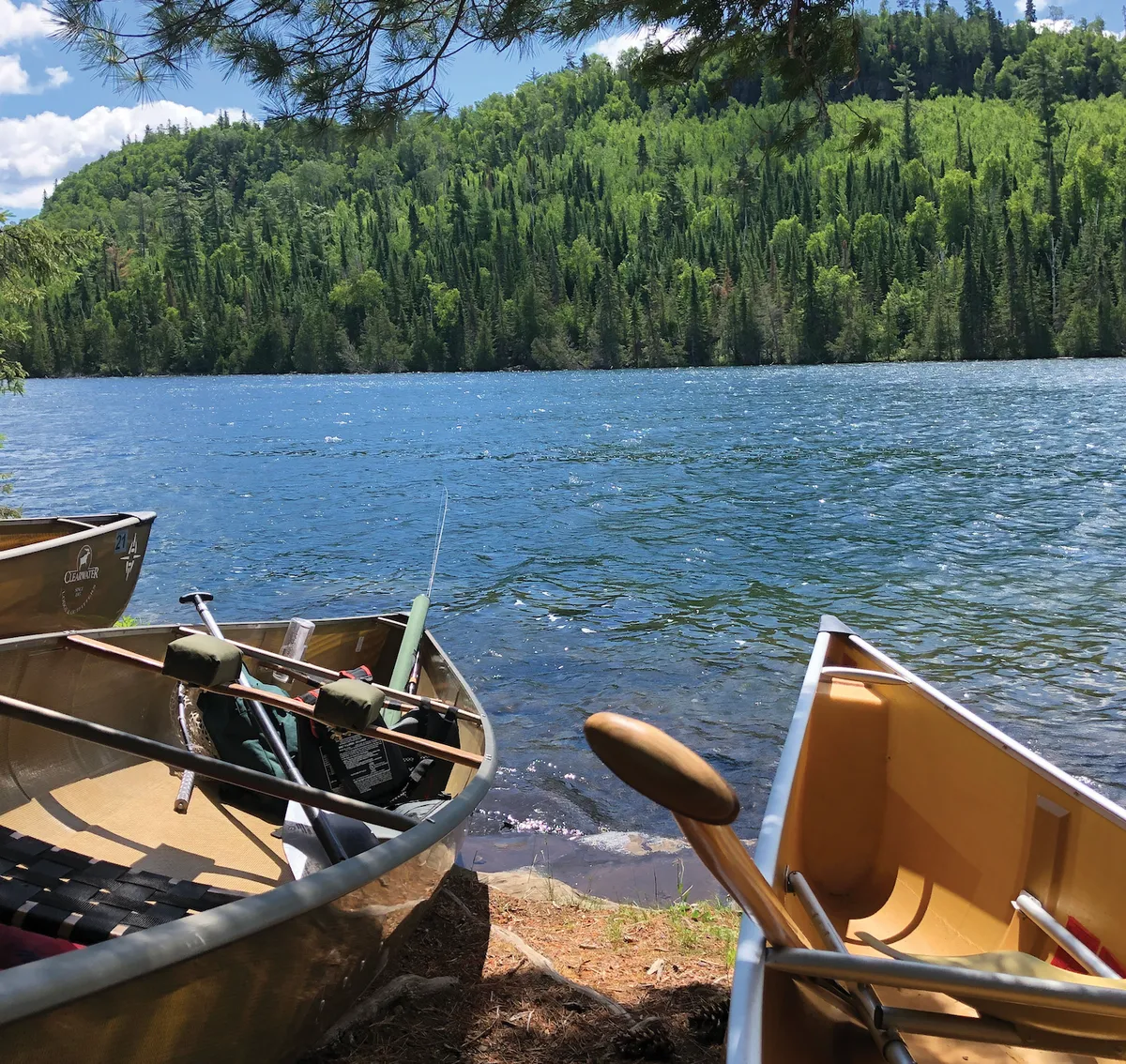
That is part of what he loves about the Chippewa National Forest.
In recent years, Jackson said, the Chippewa has become one of his favorite places in the state. He mentions Trout Lake in particular.
“You might be sitting by yourself on this tiny lake with these huge cedar trees, and the trumpeter swans are just landing for the evening, and there's nobody else,” he said. “It wasn't hard to get to, and it's free to stay there, so long as you're willing to treat your own water and live off batteries for the evening.”
For someone newer to camping, that might sound intimidating. Jackson understands. Much of his advice comes down to reducing the number of unknowns.
“The less that you're doing for the first time, the better,” he said.
That could mean setting up a new tent in the backyard before a trip. Firing up the camp stove at home. Testing the water filter. Packing and repacking until the process feels less mysterious. The goal is not to become an expert overnight. It is to remove enough friction that, when you arrive at camp, you can pay attention to the good stuff.
“You're never going to stop learning when you're doing this stuff,” Jackson said. “Be patient with yourself.”
For Fargo-area readers looking for a first step into Minnesota public-land camping, Jackson points naturally toward the lakes country.
Public Land 101
Minnesota Camp Guide focuses on public land. Here are a few of the major categories campers may encounter.
State parks: Often the easiest starting point, with reservable campsites, staff, trails, bathrooms and visitor information.
State forests: Usually more rustic than state parks, with campgrounds, trails and, in some places, dispersed camping opportunities.
National forests: Large federal lands with developed campgrounds, primitive sites, trails, lakes and broader camping possibilities.
Wilderness areas: More remote places where travel is usually non-motorized and campers need stronger self-sufficiency skills.
Water trails: Rivers and paddling routes with campsites designed for canoeists and kayakers.
Glendalough State Park, near Battle Lake, is one of his top beginner-friendly recommendations. The park sits around Annie Battle Lake and offers a softer transition into camping. Its cart-in campground lets campers park nearby and haul gear a short distance, creating a quieter, more natural experience without the full commitment of backpacking. For those ready to add a little adventure, the park also has canoe-in sites, and bikes, canoes and kayaks can be rented at the park.
It is the kind of place where a family can feel supported while still doing something that feels memorable.
Maplewood State Park offers a different flavor. Larger and wilder, it has rolling hills, hardwood forests, lakes and more room to roam. Jackson describes it as a next step for campers who want a little more space and a little more solitude. Visitors can still car camp, but they can also hike, paddle, fish or work their way toward more remote campsites.
From there, Jackson said, campers can look farther east and north into the Chippewa National Forest. That is where Minnesota Camp Guide really begins to shine. Instead of only showing the obvious developed campgrounds, the site helps reveal national forest camping, dispersed sites, paddle-in opportunities, backpacking routes and places that may never show up in a casual search.
Eventually, that same curiosity can lead to the St. Croix National Scenic Riverway, the Superior Hiking Trail, the Boundary Waters Canoe Area Wilderness or the state's vast network of water trails.
Jackson does not dismiss the famous places. He loves Lake Superior, the Boundary Waters and the Superior Hiking Trail. He recently finished the Superior Hiking Trail himself. But Minnesota Camp Guide has helped him, and others, see that a lifetime of outdoor discovery does not have to be built only around the icons.
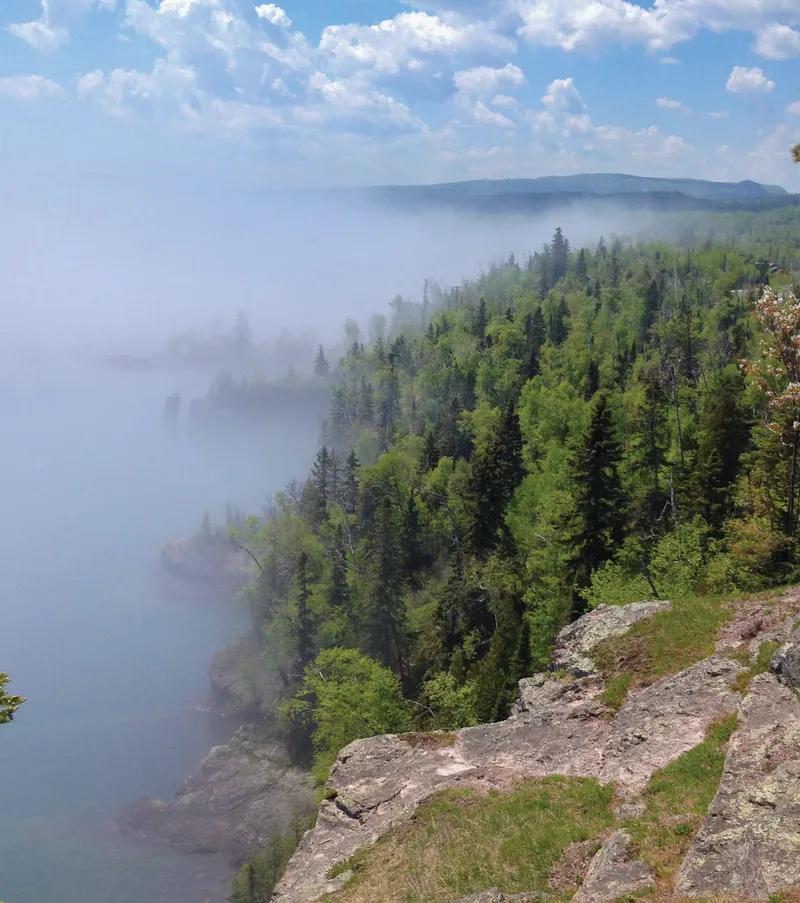
There are obscure places, he said, that are not necessarily harder. They are just less known.
The reward is not only solitude. It is participation in something larger.
Jackson talks about camping as joy, but also as ritual. The annual paddling trip with friends. The repeated act of setting up camp. The shared work of cooking, packing, paddling, walking, learning. Nature, he believes, has a way of making people feel both more grounded and less self-important.
“I think it makes you happy,” he said. “We're all looking for ways to do and have that.”
And once people have experienced that feeling, Jackson hopes they keep going.
Maybe they try a new park. Maybe they volunteer on a trail. Maybe they become more invested in the public lands they use. Maybe they send him a note after discovering a campsite they never would have found otherwise.
That, he said, is one of the best parts of the project.
“I'm so happy to share all of these places with everyone else,” Jackson said. “We're all the same fellow public landowners of all these things.”
For those on the North Dakota side of the border, his invitation is simple: come over. Try the state parks near the lakes area. Follow the map deeper into the forests. Paddle a river. Sleep outside for one night. Learn one new skill. Then another.
There is no need to own a cabin to have a place in Minnesota's outdoors.
There is already a front desk waiting.
Three Places To Start
Glendalough State Park — A strong first step for families or newer campers. Jackson likes Glendalough because it offers a comfortable transition into public-land camping. Campers can use cart-in sites, rent bikes or boats and, when ready, try canoe-in campsites across the lake.
Maplewood State Park — A little bigger, wilder and more spread out. Maplewood gives campers a chance to car camp, hike, fish, paddle or work toward backpacking-style campsites without immediately jumping into a remote wilderness trip.
Chippewa National Forest — For campers ready to go deeper, Jackson sees the Chippewa as one of Minnesota's great underappreciated camping regions. It offers developed campgrounds, primitive sites, paddle-in options, backpacking routes and designated dispersed campsites that feel much farther away than they are.
Learn more at minnesotacampguide.com
Published July 21, 2026
