The Red River Valley Fair Is Worth Exploring All Over Again
The Red River Valley Fair rises over West Fargo like the summer landmark that it is.


Photos provided by Red River Valley Fair
The Red River Valley Fair rises over West Fargo like the summer landmark that it is. It’s visible from the interstate, familiar from childhood, and always unmistakable.
There are lights, the music, the smell of fried food, the grandstand buzz, the carnival games, the livestock barns, the kids tugging parents toward the rides, and the friends making plans.
The Red River Valley Fair returns July 3-12, 2026, bringing 10 days of concerts, carnival rides, agriculture, food, and family fun to West Fargo. The fair is one of North Dakota’s largest annual events and a summer tradition built around community, entertainment, and hands-on experiences.
But if you ask CEO Cody Cashman, the real story is bigger than the headline concerts or the carnival wristbands. The modern Red River Valley Fair has grown into something much larger than a midway and a music schedule.
It is a concert venue, yes. It is also an agriculture classroom. A youth livestock program. A place for free entertainment. A food crawl. A family day. A nostalgic trip. A summer night out.
And this year, the invitation is come for what you already love, but leave room to discover something you didn’t know was there.
2026 Grandstand Schedule
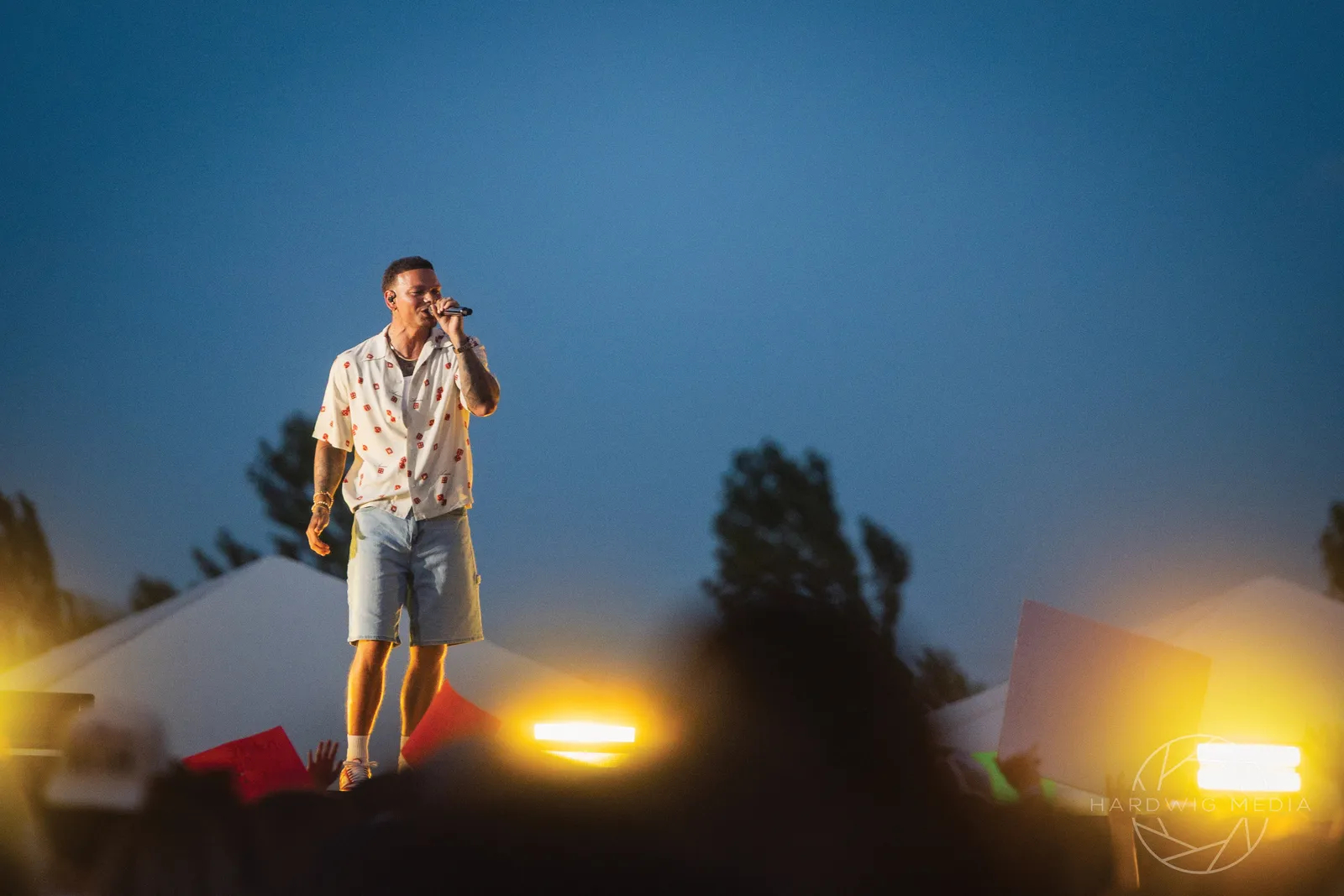
The Red River Valley Fair runs July 3-12, 2026, with grandstand concerts and events throughout the fair. Grandstand concert gates are listed as opening at 6 p.m., with concerts beginning at 8 p.m. Dirt Series event hours differ, with gates at 5 p.m. and events beginning at 7 p.m.
Friday, July 3
Fair Race
Saturday, July 4
Combine Demo Derby & Demolition Derby
Sunday, July 5
Demolition Derby
Tuesday, July 7
Hairball*
Wednesday, July 8
BlackHawk*
Thursday, July 9
Stone Temple Pilots, Candlebox & Pop Evil
Friday, July 10
Jason Derulo & Bobby V
Saturday, July 11
Trace Adkins, Chase Matthew & Uncle Kracker
Sunday, July 12
Anne Wilson, Chris Tungseth & Matt Maher
*Free with gate admission.
More Than a Concert Ticket
Over the last several years, the Red River Valley Fair has become known for bringing bigger and bigger names to West Fargo.
That shift has changed the way many people talk about the event. Instead of asking, “Are you going to the fair?” people often ask, “Who’s coming to the fair this year?”
It’s an understandable change. The 2026 grandstand lineup includes a mix of dirt events, rock, pop, and country, with scheduled entertainment ranging from Hairball and BlackHawk to Stone Temple Pilots, Candlebox & Pop Evil, Jason Derulo & Bobby V, and Trace Adkins, Chase Matthew & Uncle Kracker.
That level of entertainment has helped introduce the fair to people who may not have otherwise come through the gates. It has added energy, attention, and value.
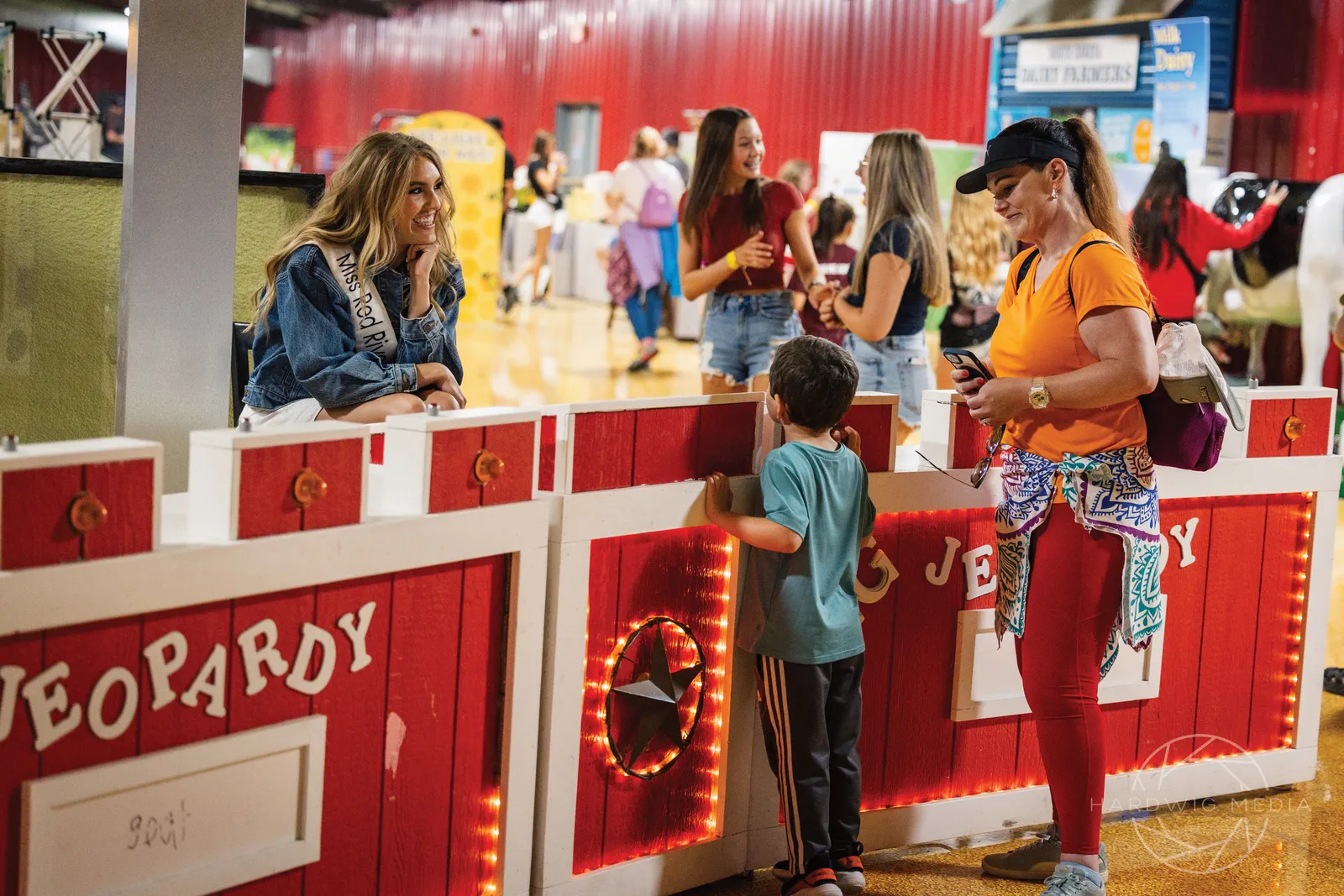
But before the headliner takes the stage, before the lights come up at the grandstand, before the last song of the night, there is an entire fairgrounds worth exploring.
There are the familiar carnival rides. There is the food that people wait all year to eat. There are the livestock barns, the 4-H projects, the STEM exhibits, the kids zone, the free stage, the Barnyard Bar, the agricultural education center, and the small moments that don’t always make the biggest ads but often become the memories people keep.
The fairgrounds have an improved infrastructure, renovated buildings, new asphalt, better gathering spaces, more shade and indoor options, and behind-the-scenes upgrades that make the experience smoother for guests.
Those improvements may not be the first thing people notice, but they shape the day. They make it easier to stay longer, bring kids, move around, cool off, and take in more of what the fair has to offer.
The Fair’s Agricultural Heart
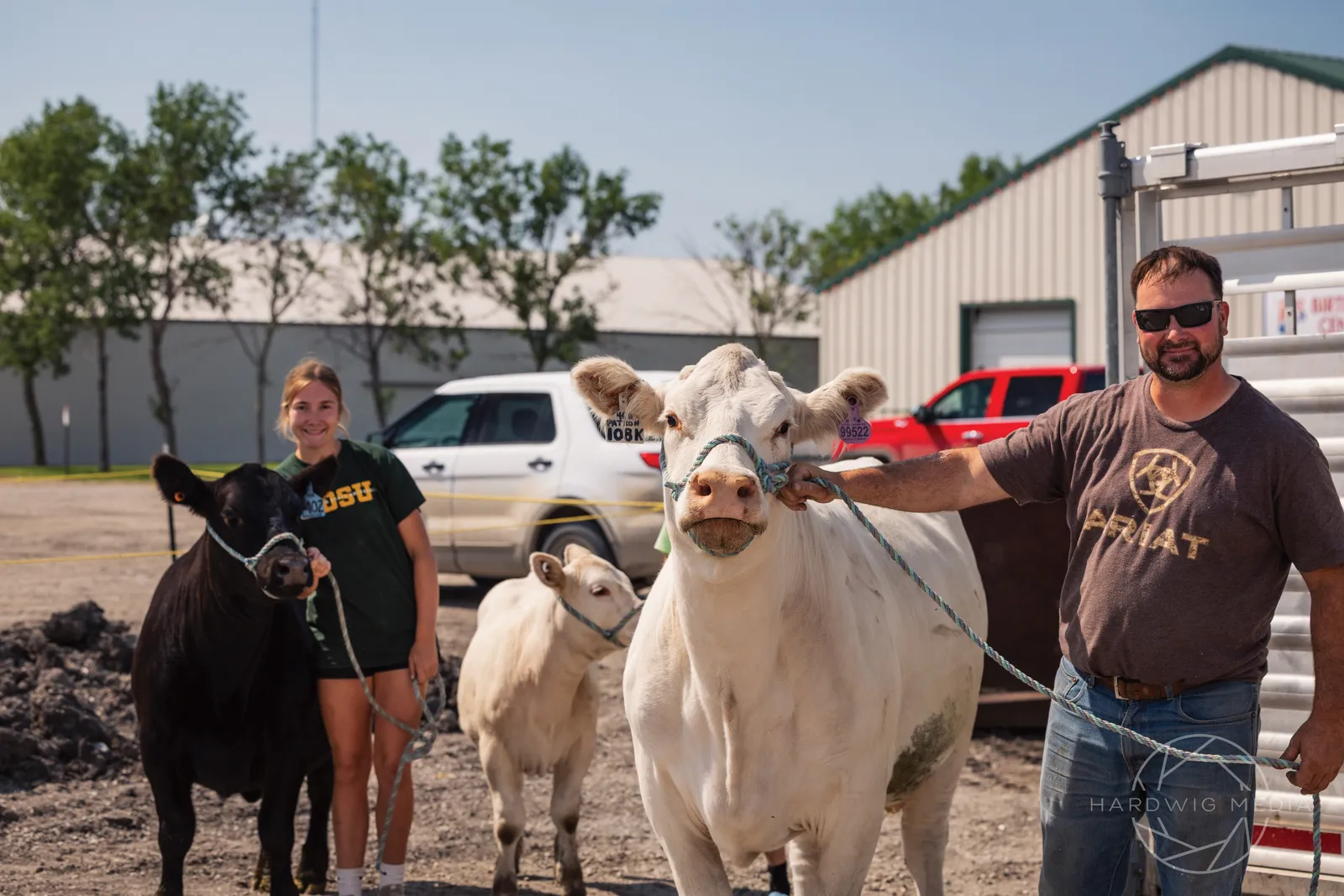
For all the changes, agriculture remains central to the fair.
One part of the Red River Valley Fair deserves more attention: the part many casual fairgoers walk past.
“People who aren’t involved in showing livestock never experience that,” Cashman said. “That’s going on all fair. There are kids in our livestock barn showing animals that they raised, and they’re getting prizes and scholarships. Unless you’re a parent or a family member of those kids, or you grew up showing livestock, I don’t really think anyone ventures back there for that, which is a really cool part of fair. That’s more of the heritage side of things. That’s why fairs exist.”
That agricultural foundation is not just preserved at the Red River Valley Fair. It is being expanded.
One example is the Cass County Farm Bureau Agriculture Education Center, which recently underwent major renovations and is open year-round for field trips and agricultural education. During the fair, it becomes one of the most hands-on, family-friendly places on the grounds, with exhibits about crops, livestock, and regional agriculture.
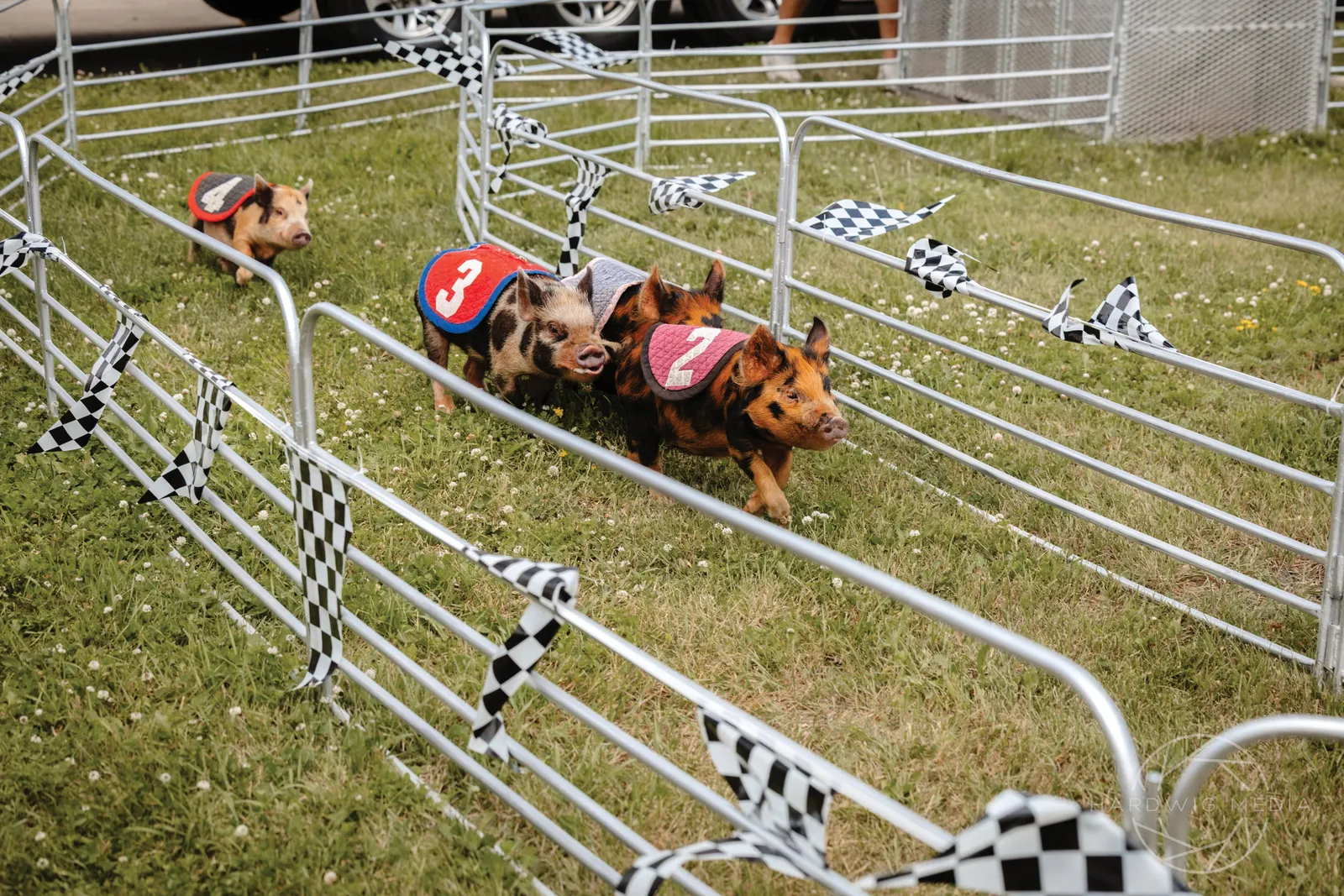
The renovated center includes grain bin entrances, interactive exhibits, year-round operation capabilities, and an Interactive Immersion Room designed to help families experience grain farming and animal agriculture.
Visitors can learn about corn, soybeans, livestock, equipment, and what shapes life across the region. They can connect the food on their plate to the people, animals, land, and work behind it.
And, if you time it right, you might even see new life arrive.
The fair’s birthing center has become one of its most memorable educational experiences, with calves and other animals born during the fair.
For families, it is a chance to show kids something they may never see in daily life. For adults, it is a reminder that the fair’s oldest traditions still surprise.
The Kids Raising the Animals
Another part of the fair’s agricultural story is the Livestock Enrichment Program.
The program gives young people—especially those who may not live on farms—the chance to raise and show livestock. Through the Red River Valley Fair Foundation, youth ages 8-18 can participate in raising and showing animals, learning the care and responsibility involved along the way.
The foundation describes the program as free for participants and focused on helping youth develop the skills needed to care for and show their animals.
Cashman said the program has grown significantly in a short period of time. Participants care for animals such as pigs, goats, and sheep in the months leading up to the fair. They feed them, groom them, work with them, show them, and eventually participate in the livestock auction after the fair.
For kids who live in town, that opportunity can be rare.
“They can’t raise a pig in your backyard,” Cashman said, “but they can come take care of it and learn to take care of a farm animal.”
The impact has grown dramatically. According to Cashman, the livestock auction raised around $14,000 when the program began a few years ago. This past year, it raised $214,000.
Come Hungry
Of course, no one should pretend the food is not part of the main attraction.
Fair food has its own gravitational pull. It is nostalgic, indulgent, photogenic, and often the thing that gets people to stop flipping through a magazine page in the first place.
For many fairgoers, the food plan is as important as the concert plan.
Maybe it is the first lemonade of the day. Maybe it is a bucket of something fried. Maybe it is something new, something ridiculous, something you would not eat anywhere else, and something you will absolutely tell someone about later.
That is part of the fun.
The fair is sensory by nature. It is lights, sounds, smells, heat, music, dust, sugar, grease, laughter, and motion. Food is one of the easiest ways into that experience.
So make a lap before you commit. See what is there. Share with friends. Try one classic and one wild card. Take the picture. Eat the thing you only eat once a year.
A fair day is not the time to be too practical.
Five Fair Stops to Seek Out
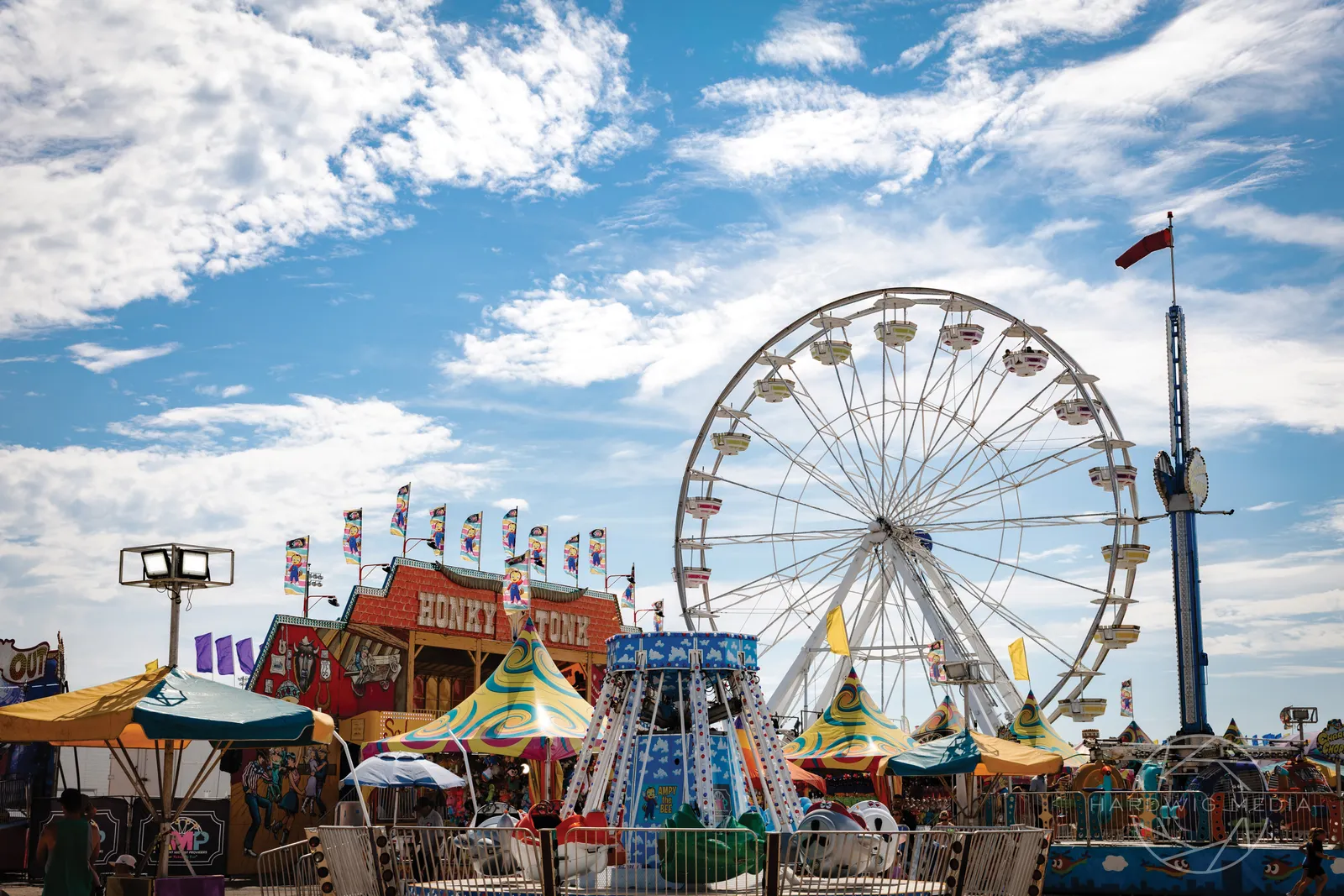
1. The Ferris Wheel
It is the visual cue that fair season has arrived. Even if you do not ride it, the Ferris wheel is the fair’s unofficial landmark.
2. The Agriculture Education Center
This is one of the best stops for families and curious fairgoers. It connects visitors with the region’s agricultural roots through interactive, year-round educational exhibits.
3. The Livestock Barns
This is where the fair’s heritage lives. Stop in, watch the shows, and see the work local youth put into raising and presenting their animals.
4. The Free Entertainment
Not every great fair memory requires a grandstand ticket. The free stage, acoustic stage, and other entertainment options give fairgoers more reasons to stay and explore.
5. The Food Vendors
Come with a plan—or don’t. Either way, leave room for at least one fair-food classic and one thing you have never tried before.
Red River Valley Fair
Website: redrivervalleyfair.com
Facebook: /RedRiverValleyFair
Instagram: @redrivervalleyfair
Published June 12, 2026
